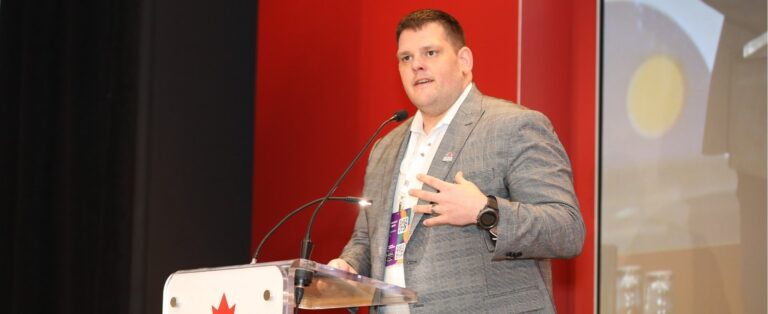
By Lisa Schaffer, Executive Director
Every day across Canada, people affected by obesity face systems, environments, attitudes, and assumptions that weren’t built with them in mind. They navigate stigma disguised as advice. They encounter care that changes from one clinic to the next. And they carry the weight of being misunderstood long before they receive support. But the landscape around obesity is shifting.
We’re at a turning point: science is advancing quickly, but outdated systems haven’t kept pace and stigma persists.
This gap between what we know and how we act is exactly why Obesity Canada exists. For nearly two decades, Obesity Canada has worked to improve the lives of people living with obesity — through research, education, advocacy, and community. And today, we’re taking the next step forward.
Our renewed mission is clear: to transform how Canada sees, supports, and understands people affected by obesity—and lead the country toward systems, care, and culture that reflect science and humanity.
And with that, I am proud to share our 2026–2029 Strategic Plan, a clear roadmap to bring this new mission and vision to life.
This plan reflects what we’ve learned from science, but also what we’ve heard from thousands of people across the country. It reflects frustration, hope, courage, and a shared belief that we can do better — and that we must.
At its heart, our plan focuses on three priorities that will guide the work ahead.
1. Shifting systems
Obesity is a complex chronic disease — but that recognition isn’t yet reflected in Canada’s policies, health systems, or insurance coverage. We’re working to change that.
Through collaborations with governments, health organizations, and chronic disease groups, we’re championing policies that align with science. We’re pushing for equitable access to treatment and coverage, better health data, and environments that support long-term health and well-being. That includes advocating for policies that ensure people affected by obesity get the same systems and support offered in other chronic disease care.
This work moves us closer to a Canada where obesity care is consistent, equitable, and rooted in dignity.
2. Advancing care
Access to quality care should not depend on where someone lives or the healthcare professional they see.
We’re expanding education for healthcare professionals, elevating our Clinical Practice Guidelines, and importantly, building tools and partnerships needed to implement the evidence into real-world care. Implementation is a core focus of this plan, making sure the guidelines don’t just exist, but they are used, understood, and brought into practice across the country.
When clinicians feel prepared and people feel understood, care becomes something different — something compassionate, consistent, and grounded in science.
3. Reshaping narratives
Stigma remains one of the greatest barriers to health. It shapes policy, influences care, and affects how people see themselves.
We’re leading national conversations that replace outdated assumptions with clear science and human stories. Through public education, media partnerships, and the voices of people with lived experience, we’re working to shift the way Canada talks about obesity — toward understanding, compassion, and respect.
Because when the story changes, everything else can change, too.
Looking ahead
This strategic plan is a roadmap and an invitation to imagine a Canada where people affected by obesity are met with support, not stigma. Where care is guided by evidence. Where policies reflect reality. And where every person living with obesity is treated with dignity.
We cannot do this alone. But together — across communities, professions, and lived experiences — we can build a Canada where policies, care, and culture finally reflect science, so that everyone has the chance to thrive.
Thank you for being part of this work, and for standing with us as we continue to shift systems, advance care, and reshape the narratives that shape us all.
With gratitude,
Lisa Schaffer
Executive Director, Obesity Canada