New report: Five gaps are holding back better obesity care in Canada. Learn more

Home • Scale Up Your Practice podcast • Using EOSS and the 5As for Obesity Assessment with Dr. Denise Campbell Scherer



🎙️This episode is sponsored by an unrestricted education grant from Eli Lilly Canada.
When obesity assessment starts and ends with BMI, important parts of the patient story can disappear.
In this episode, Dr. Roshan Abraham and Michelle McMillan speak with Dr. Denise Campbell-Scherer about what it takes to assess obesity with more clarity, more context, and more respect for the person seeking care using the Edmonton Obesity Staging System and the 5A’s Framework.
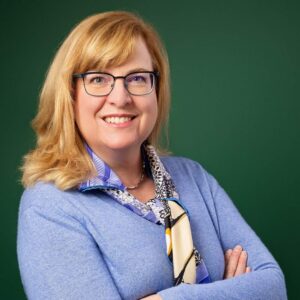
Dr. Denise Campbell-Scherer is a Professor in the Department of Family Medicine at the University of Alberta and Associate Dean of the Office of Lifelong Learning and Physician Learning Program. She is a family physician, educator, and researcher focused on improving primary care and advancing evidence-informed practice.
Her work includes leading the 5As Team Program, which aims to improve primary care for people living with obesity. She also served on the executive of the 2020 Canadian Adult Obesity Clinical Practice Guidelines and has contributed to several major research initiatives focused on prevention, screening, and better care in primary care settings.
If this episode leaves you thinking about how to strengthen your own approach to obesity care, Obesity Canada’s Calibre course is designed to help.
Calibre is an accredited course for healthcare professionals who want practical, evidence-based tools they can apply in real clinical settings. The course combines self-paced learning with live, interactive sessions, helping learners build confidence in obesity assessment, treatment, communication, and patient-centred care.
The next cohort runs September 3 through October 7.
Support Scale Up Your Practice by:
Email us at scaleuppod@obesitycanada.ca
This episode script was developed using NotebookLM to synthesize complex source materials into a structured educational format. The tool was used to analyze the Canadian Obesity Education Competencies (COECs), the Obesity Canada Strategic Plan, and guest-specific research. Specific prompts were utilized to extract relevant learning objectives, map them to CanMEDS roles, and generate competency-based interview questions.
While NotebookLM assisted in drafting the narrative arc and educational framework, all content has been reviewed, fact-checked, and refined by the podcast hosts and Obesity Canada’s clinical experts. This ensures the script aligns with current Clinical Practice Guidelines and authentically represents the lived experience perspective.
00:00:00:03 – 00:00:03:02
Dr. Denise Campbell-Scherer
changing the conversation to a strength-based counselling approach
00:00:03:05 – 00:00:05:01
Dr. Denise Campbell-Scherer
changes everybody’s experience of care
00:00:05:01 – 00:00:15:20
Michelle McMillan
you know, everything you said today is what I want to experience when I go to see a health care practitioner.
00:00:15:22 – 00:00:26:15
Dr. Roshan Abraham
Hello and welcome to the Scale Up Your Practice podcast, brought to you by Obesity Canada. I’m Dr. Roshan Abraham, family physician and associate professor at the University of Alberta.
00:00:26:19 – 00:00:41:10
Michelle McMillan
And I’m Michelle McMillan, a Lived Experience Advocate with Obesity Canada. Before we dive into today’s conversation, we wanted to take a moment to answer a question that has popped up from some of our listeners.
00:00:41:12 – 00:00:48:20
Dr. Roshan Abraham
If you’ve been tuning in regularly, you may have noticed Michelle hasn’t been on every episode this season, and we realize we never explained why.
00:00:48:22 – 00:01:08:23
Michelle McMillan
This season, we’ve been trying out a few different formats and approaches to the podcast because of course, this is season two and we get an opportunity to try out some new things. So you’ll be hearing from both of us weaving in and out of the episodes this year, depending on the topic and the conversation. But do not panic.
00:01:09:01 – 00:01:16:07
Michelle McMillan
The one thing that hasn’t changed is the importance of lived experience in this space and on this podcast.
00:01:16:09 – 00:01:31:18
Dr. Roshan Abraham
Absolutely. That perspective is core to what we do here. One of the things that makes these conversations so meaningful for me, as a primary care physician and as a human being, is bringing together clinical experience and real life experience, and we’re committed to continuing to make room for both.
00:01:31:18 – 00:01:54:02
Michelle McMillan
Because better obesity care can’t come from just the science alone. It also has to reflect the realities for people faced with their everyday lives, the questions they carry, the barriers they encounter, and the experiences that they bring into the health care setting. And that’s exactly what today’s episode is about.
00:01:54:04 – 00:02:16:12
Dr. Roshan Abraham
So we talk a lot about training, especially with the background that I have, and that Michelle and I have sort of worked on in the education realm of Obesity Canada. But we’ve all been trained to use body mass index, or BMI as the ultimate measure of health. But what if a patient with the BMI of 35 has normal blood pressure, no joint pain, and excellent mental health?
00:02:16:14 – 00:02:47:05
Dr. Roshan Abraham
Conversely, what if a patient with a BMI of 27 is suffering from severe sleep apnea, debilitating osteoarthritis, or other conditions? If we only look at the number we miss the disease. The Canadian Adult Clinical Practice Guidelines outline a comprehensive process for assessing obesity that starts with values-based goals, looks at the root causes through the 4Ms framework, and ultimately uses the Edmonton Obesity Staging System to understand disease severity.
00:02:47:07 – 00:02:59:11
Dr. Roshan Abraham
Today, we’re talking about how to look beyond the scale as our primary diagnostic tool and use this framework staging system that helps us understand the full clinical picture of our patients’ health.
00:02:59:16 – 00:03:00:22
Michelle McMillan
for many patients
00:03:00:23 – 00:03:18:08
Michelle McMillan
living with obesity, the shift can make a big, big impact. When care starts and ends with BMI and weight. It can feel like the conclusions are being drawn before your experiences are even heard.
00:03:18:10 – 00:03:22:03
Dr. Roshan Abraham
And before we get into this much anticipated episode, we want to
00:03:22:07 – 00:03:32:16
Dr. Roshan Abraham
make a note that today’s episode is supported by an unrestricted educational grant from Eli Lilly Canada. We thank them for helping us bring this podcast to clinicians across the country.
00:03:32:16 – 00:03:47:11
Michelle McMillan
So today we’re focusing on clinical assessments. More specifically, how to assess obesity in a way that’s more complete, more useful. And as we always say on the podcast, more patient-centered.
00:03:47:13 – 00:04:11:17
Dr. Roshan Abraham
We are joined today by Dr. Denise Campbell-Scherer, family physician, professor, lead of the 5As Team at the University of Alberta, colleague and mentor for myself. She was also an author and tremendously instrumental in the 2020 Adult Obesity Clinical Practice Guidelines. And again, I am so happy to have her here. Welcome to the podcast, Denise.
00:04:11:19 – 00:04:33:16
Dr. Denise Campbell-Scherer
Thank you, Roshan. Thank you Michelle. Yeah, I know I was so privileged to be on the executive for those guidelines, and I’m thrilled about how impactful they’ve been across the landscape globally, actually. So it’s really exciting. And I’m excited about your podcast and all these efforts to further have the conversation and help with the shift in practice that has to go along with those guidelines.
00:04:33:16 – 00:04:43:11
Dr. Roshan Abraham
So I think that leads us perfectly into our first question, why is this such an important moment for clinicians to rethink how we assess obesity?
00:04:43:13 – 00:05:09:22
Dr. Denise Campbell-Scherer
Yeah, well, I think when we go back to 2015 and we look at the series in The Lancet by Dietz and colleagues, and we see that globally there’s just this incredible gap, you know, across the board in terms of interdisciplinary team providers around obesity assessment, prevention, management, the whole works, that there’s just a global need for this work.
00:05:09:22 – 00:05:35:02
Dr. Denise Campbell-Scherer
And it starts with this fundamental task as having a really robust approach to how you assess this chronic disease. Right. And that’s the place to start. You know, if you can’t assess it you can’t diagnose it properly, then it’s really hard to have a focus on prevention and management, especially as a primary care provider or family doc
00:05:35:02 – 00:06:02:12
Dr. Denise Campbell-Scherer
in my case. You have a really unique opportunity to really work with people long term over the life cycle, through all sorts of their life transitions that can really put them at increased risk for obesity. And when we reflect back on the evidence from before the guidelines, you know, fewer than a quarter of Canadians ever reported having any conversation with their primary care provider about obesity.
00:06:02:13 – 00:06:31:06
Dr. Denise Campbell-Scherer
And the nature of those conversations wasn’t necessarily super effective either. So actually making people have the confidence to be able to have a conversation and, you know, not know what to say and not be scared about offending someone or making sure that they can do that in a really good therapeutic way is kind of core to being able to start to work on that process together with people to help them with their health.
00:06:31:07 – 00:06:53:09
Dr. Denise Campbell-Scherer
Right. If you don’t bring it up, and also people have to be empowered to have these conversations as well with their health care providers. So there’s a lot of conversations that have to happen. And demystifying that is really, really important to me. That’s why we had the 5As Team approach and why we developed the tools that we did.
00:06:53:11 – 00:06:54:07
Michelle McMillan
So
00:06:54:09 – 00:06:56:08
Michelle McMillan
for people living with obesity,
00:06:56:14 – 00:07:07:02
Michelle McMillan
BMI can feel like a label that follows them into every appointment, right? That number is on your chart before I even arrive through the door.
00:07:07:04 – 00:07:22:05
Michelle McMillan
I know from personal experience, from a patient’s point of view that, you know, I can feel like a prejudged number and not a nuanced and complicated human being.
00:07:22:07 – 00:07:35:07
Michelle McMillan
But I’m wondering, from a health care practitioner’s point of view, what gets missed when that number starts to stand in for the whole person?
00:07:35:09 – 00:08:03:01
Dr. Denise Campbell-Scherer
That’s a great question, Michelle. And I think it was actually the entire reason why we created the 5As Team Tools. Right? Because a huge component of that, we had heard from people with lived experience in the preamble research work that we had done that they really, really, really wanted a personalized approach that was all about them and their journey and their health and their lifeworld.
00:08:03:02 – 00:08:36:15
Dr. Denise Campbell-Scherer
And so we took that on to really understand what that should look like. And that’s where the 5As Team Tools came from, which are really anchored in people’s experiences, their current health, their value-based goals, what they’re worried about, what their life and health, their story, and then very importantly, actually, taking a strength-based approach, which when we studied that, we really found that that changed the whole story for people.
00:08:36:16 – 00:09:08:00
Dr. Denise Campbell-Scherer
Right. So we kind of hacked that sort of mistaken approach to how one might approach obesity and turned it a bit on its head. And the results were very important, I think, in terms of people’s experiences of care, their ability to establish their therapeutic relationship with their treating provider. And what we heard from patients was really impactful.
00:09:08:00 – 00:09:28:13
Dr. Denise Campbell-Scherer
I remember particularly one patient in the derivation cohort who was a cancer survivor, and when she was being interviewed about the encounter, because we studied the encounter in depth with interviews and three months of journal for people, etc., she actually teared up because she said, I didn’t know that I had any strengths.
00:09:28:15 – 00:09:41:08
Dr. Denise Campbell-Scherer
And so changing the conversation to a strength-based counseling approach and making it really focused on people’s lifeworld, changes everybody’s experience of care providers’ experience of care, patients experience of care,
00:09:41:08 – 00:09:44:03
Dr. Denise Campbell-Scherer
and it really focuses on health.
00:09:44:05 – 00:09:59:05
Dr. Denise Campbell-Scherer
We’ve heard from lots of providers that taking this approach to care for people living with obesity completely transforms their relationship. And is much more effective.
00:09:59:09 – 00:10:01:09
Dr. Roshan Abraham
I, I just want to say
00:10:01:13 – 00:10:07:10
Dr. Roshan Abraham
like that was being a part of that was.
00:10:07:12 – 00:10:28:15
Dr. Roshan Abraham
It was an important part of my development both as a clinician, as an educator, to see how– Not just because I looked at it from a generalist perspective– That this approach is something that all people could benefit from, and especially people with chronic diseases that… Where bias and stigma exists with people with all sorts of chronic diseases, not just obesity.
00:10:28:16 – 00:10:56:22
Dr. Roshan Abraham
We see it very specifically in obesity with weight bias and stigma, but having that comprehensive approach, and it has influenced my educational approach around history taking, clinical decision making and shared decision making tremendously. So it is an approach that although we don’t have as much time as I would love to, is something that I do encourage people and we’ll mention it in the show notes later as to how you can sort of start to get a glimpse of that.
00:10:56:22 – 00:10:57:06
Michelle McMillan
Yeah.
00:10:57:07 – 00:11:20:17
Michelle McMillan
I mean, just sometimes there’s just these little pieces of like, gold, right. And just, if you, like from my experience, how many times– And it’s been echoed with people that I know who live with obesity– Where the entire appointment the entire encounter is simply a, “You do this wrong, you do that wrong.” Or at least it feels like that.
00:11:20:18 – 00:11:34:22
Michelle McMillan
The health care practitioner might not actually be saying that but, and so to highlight those strengths, that’s that’s just amazing. That’s phenomenal. So I love that I love it.
00:11:34:23 – 00:11:35:14
Dr. Roshan Abraham
Yeah.
00:11:35:16 – 00:11:42:19
Dr. Denise Campbell-Scherer
Yeah. And it was, we actually have studied it quite a bit. And it really does transform the conversation.
00:11:42:20 – 00:11:43:00
Dr. Roshan Abraham
Yeah.
00:11:43:02 – 00:12:02:05
Dr. Denise Campbell-Scherer
And it rewrites the story. Right. And then you can move forward in a whole different space. And you know, I think it’s been so neat to see how the 5As Team Tools– That’s 5ast.ca– Have been taken up,
00:12:02:05 – 00:12:28:20
Dr. Denise Campbell-Scherer
and we keep getting requests from around the world for people who want to translate them, who want to culturally adapt them, because they find them helpful. We have also created a course around this, which is offered through the Office of Lifelong Learning at University of Alberta, directly around the tools to help people feel confident in using them. But I think the tools alone for people who are experienced clinicians.
00:12:28:22 – 00:12:48:08
Dr. Denise Campbell-Scherer
You can, there’s a video and there’s also detailed instructions. So I think for people who’ve done a lot of this work, it’s not too difficult to try it out. It takes a couple of runs through in my experience, when people are learning it, to start to get it into the flow, but then people get quite efficient with it.
00:12:48:11 – 00:12:49:01
Dr. Roshan Abraham
So
00:12:49:01 – 00:12:50:04
Dr. Roshan Abraham
we wanted to talk
00:12:50:04 – 00:12:56:22
Dr. Roshan Abraham
about the 4Ms and EOSS, or Edmonton Obesity Staging System. And
00:12:56:22 – 00:13:18:05
Dr. Roshan Abraham
in a busy clinic, so we will get a chance to maybe give you an opportunity to to sort of give our listeners a background of sort of what the 4Ms are and how that’s important in assessment, as well as how it can maybe lead towards or influence the Edmonton Obesity Staging System.
00:13:18:05 – 00:13:37:22
Dr. Roshan Abraham
So, granted, for a learner- for our listeners, if you’re hearing about these two things for the first time, it does require a little bit more reading into as well, just like about the 5As Team sort of resources that Dr. Denise Campbell-Scherer has been mentioning. But hopefully we can at least start that conversation around the 4Ms and even EOSS.
00:13:38:00 – 00:13:44:11
Dr. Denise Campbell-Scherer
I think there’s a lot of value in doing both,
00:13:44:13 – 00:14:16:16
Dr. Denise Campbell-Scherer
both EOSS as well as staging with BMI. Because we do of course need to ask people’s permission and whatnot before we weigh them. But having that technical detail is really helpful, especially when it comes time to be doing forms and things for medication or referrals or technical issues. Right? So remembering that we have our stages of BMI and remembering that also there’s different cutoffs which are presented in the guidelines for people who come from different places.
00:14:16:16 – 00:14:43:12
Dr. Denise Campbell-Scherer
The numbers aren’t the same, for example, if you’re from Southeast Asia or whatever, so making sure you’re using the right cutoffs. And then where the EOSS comes from, you know, there was a very important paper in CMAJ in 2011 by our colleague Raj Padwal and colleagues who looked at the Haynes data in the United States, a huge, huge database, and looked at outcomes.
00:14:43:12 – 00:15:08:10
Dr. Denise Campbell-Scherer
And what they showed in that paper was that BMI does not predict mortality. Edmonton Obesity Staging Scale does predict mortality. And so, all BMI is excellent as a population kind of measure, but as an individual measure it’s not very effective. But, and it just tells you how big someone is. It doesn’t tell you how healthy someone is.
00:15:08:14 – 00:15:42:18
Dr. Denise Campbell-Scherer
So EOSS is a clinical tool. It’s not a research tool per se, but it’s very intuitive for clinicians. And there’s, you know, four stages with EOSS 0 being somebody who has absolutely no physical, mental or functional impairments related to the fact that they live in a larger body. Right? And then it goes up to Stage 1 where someone would have subclinical impairments in those domains.
00:15:42:23 – 00:16:17:12
Dr. Denise Campbell-Scherer
Okay. So maybe a little pre-diabetes, or pre-hypertension, or maybe some aches and pains and things, but nothing that’s really impairing them. So, [Stage] 2 is where you have established disease. So perhaps someone who actually has established Type 2 diabetes or somebody who has MAFLD, which is a, you know, liver condition, or someone who has, you know, arthritis, which is really being aggravated functionally by the fact that they are in a larger body.
00:16:17:14 – 00:16:51:19
Dr. Denise Campbell-Scherer
So that’s established disease. [Stage] 3 is when you have severe disease, o someone who might have had a coronary event or something of that nature, and the guidelines, you know, give you a nice picture about some of this as well. And then [Stage] 4 is when someone, really, is having end-stage disease. Like one of my beautiful patients who had had a long hospitalization and became very deconditioned and sarcopenic and had very significant impairment, was not able to mobilize when they got home from the hospital at all.
00:16:51:21 – 00:17:19:08
Dr. Denise Campbell-Scherer
So that would be Stage 4. And so that’s the class and the stage. Right. And then you’ve, which is which is one piece of it, and that’s very helpful when it comes time to think about intensifying of therapy. So one of the things I’ve thought a lot about is, it can feel very overwhelming for clinicians if you’ve got, you know, 40% of your patient population, perhaps, living with this condition, where do you start?
00:17:19:09 – 00:17:38:14
Dr. Denise Campbell-Scherer
Who do you pay attention to? Like you might almost become quite nihilistic because, how on earth could I ever meet the need, you know? Particularly if you happen to be serving a population with a lot of other needs. Or perhaps you’re in a rural setting where you don’t have a lot of support and you’re completely overwhelmed.
00:17:38:15 – 00:17:40:10
Dr. Denise Campbell-Scherer
How do you make this not overwhelming?
00:17:40:12 – 00:17:41:02
Dr. Roshan Abraham
Yep.
00:17:41:04 – 00:18:16:23
Dr. Denise Campbell-Scherer
And one of the notions that I’ve had is that it’s very helpful to pay attention when people well, paying attention when people’s weight trajectories are changing across the board with regards to prevention and brief intervention. But in terms of when people are moving from like a 2 to a 3, or a 1 to a 2, at those transitions really having a little bit of extra attention onto it in terms of, “What can we do here to try to not have that increase in terms of bad outcome?”
00:18:17:05 – 00:18:42:06
Dr. Denise Campbell-Scherer
You know, should we be revisiting discussions about higher level therapies? Perhaps somebody wasn’t really open to some of those things before when they were in stage two. But now that they’re stage three, you know, we really do see that increase in mortality. Maybe it’s a time to have another revisit that conversation and etc.. So that’s kind of practically how I use it.
00:18:42:08 – 00:19:14:08
Dr. Denise Campbell-Scherer
The weight trajectory thing is not necessarily around the EOSS, but, you know, intervening early and effectively while someone’s pregnant in, for example, like we can use our weight-gain curves. If someone is going off the trajectory for their pre-pregnancy mass, those curves show you what the Goldilocks zone is. You don’t want too little weight gain, you don’t want too much weight gain, because we don’t want to end up in a situation after baby comes where we have a really significant weight gain that mom’s now dealing with.
00:19:14:11 – 00:19:42:10
Dr. Denise Campbell-Scherer
So you can intervene with little interventions between two antenatal visits, it’s much easier to deal with 5 pounds than 50 pounds, right? Early on for example, or if you have someone who’s just gone away to school and all of a sudden, you know, their BMI has gone from 24 to 28, well, maybe we can do a bit of a brief intervention and, you know, try to get some movement on that. Or someone who’s going through a difficult time,
00:19:42:10 – 00:20:04:15
Dr. Denise Campbell-Scherer
maybe they’re a caregiver, you know. Or they’ve got things going on which is making it really hard for them to take care of themselves. You know, and you see that people aren’t weight stable. Helping people get back to being weight stable. It’s much easier to be weight stable than it is to lose. Right? So those are things when you have a longitudinal relationship with people that you can pay attention to.
00:20:04:16 – 00:20:10:16
Dr. Denise Campbell-Scherer
And then if you pivot to the 4Ms.
00:20:10:18 – 00:20:18:21
Dr. Denise Campbell-Scherer
For someone who’s got a longitudinal relationship with people and knows them well, you tend to know what’s going on with them, right? Exactly.
00:20:18:21 – 00:20:34:03
Dr. Denise Campbell-Scherer
Oh, they’ve got a new diagnosis and you’re needing to put them on some different kinds of medications. Well, paying attention to the medications that are obesogenic and making sure that we caution people, like, “This is a medication that might be associated with weight gain.
00:20:34:03 – 00:20:52:17
Dr. Denise Campbell-Scherer
Let’s pay attention. Let’s bring you back. Can we get a measurement today in terms of your weight? You don’t need to know it. But just so we have it marked down so we can see when we’re following up, you know, are things stable with this medication that we’re putting you on.” That’s one element. And then all the other things,
00:20:52:22 – 00:21:10:09
Dr. Denise Campbell-Scherer
there’s a long list of conditions that are sort of featured in the guidance. But those are our jobs right. So if someone is having permanent function because they’re having intertrigo skin condition, or they’re having pain, or they’re having
00:21:10:10 – 00:21:35:00
Dr. Denise Campbell-Scherer
some sort of a problem of that nature. Then the care for their weight includes taking care of the fact that they’re having these issues. So have we ultimately optimally managed that arthritis? Have we considered bracing? Have we, you know, have we given them the Arthritis Society page? Have we done everything we can to try to optimize their pain and maximize their function?
00:21:35:01 – 00:21:58:02
Dr. Denise Campbell-Scherer
Have we thought about programs like GLA:D Hip and Knee, which we have in Alberta, things to help people be able to optimize their muscular function and protect their joints and allow them to preserve, you know, their mobility, right? Similarly, do we know what’s going on with people in terms of their lifeworld? Have they been laid off from work?
00:21:58:02 – 00:22:02:04
Dr. Denise Campbell-Scherer
Can they afford, you know, their medications? Can they afford their healthy food?
00:22:02:06 – 00:22:25:08
Dr. Denise Campbell-Scherer
There are sometimes services people don’t aren’t aware of. So for example, in Alberta we can, if people are in vulnerable circumstances, we can write letters for additional food support for people with diabetes, for example, to be able to get some healthier options at home. So just working with people to try to understand what’s going on with that piece can be helpful.
00:22:25:10 – 00:22:43:20
Dr. Denise Campbell-Scherer
A lot of medications that we give people for psychological conditions, especially atypical antipsychotics, as is highlighted in the guidelines we should be putting those patients right on Metformin at the get go. It does help. Right. And then,
00:22:43:22 – 00:23:06:18
Dr. Denise Campbell-Scherer
you know, really being proactive and paying attention and intervening early and effectively with pharmacotherapy for people who are experiencing, you know, significant weight gain when they suffer with those other conditions, and then they need to take these medications but these medications are really causing challenges with their weight stability, right? So let’s be proactive and intervene early and effectively for those patients.
00:23:06:20 – 00:23:27:09
Dr. Denise Campbell-Scherer
And there’s a large list of conditions. But it’s not a trick I think for someone who follows people longitudinally and is a skilled practitioner, to just become aware of what those things are. And then when you’re using your 5As Team Tools and you listen to the person’s story it’s what you’re paying attention to, is all of those 4M’s, right?
00:23:27:10 – 00:23:48:08
Dr. Denise Campbell-Scherer
So people indicate what are their current challenges, perhaps pain, different things. And then what are their story, what’s their backstory. And the whole time you’re just listening to this. One of the things we heard from patients and from providers prior to this was, when people were trying to do similar to tertiary obesity clinics in a primary care setting.
00:23:48:08 – 00:24:14:04
Dr. Denise Campbell-Scherer
Everyone was frustrated because it’s batteries of tests and things like that, that would be completely unworkable. [MISSING WORD] And it’s really not necessary when you have a longitudinal relationship with people, you do have to ask probing questions like, how is your sleep? Because sleep is a big one. Undiagnosed sleep apnea. You’re not losing weight if you have sleep apnea, because all of your pathways for satiety and hunger could be messed up, right?
00:24:14:05 – 00:24:29:18
Dr. Denise Campbell-Scherer
So there’s some probing questions you might have to clarify, but you can get a lot of history from your own chart and from your own experience. So it’s just a matter of becoming familiar with, with the conditions that are on the 4Ms.
00:24:29:23 – 00:25:03:19
Michelle McMillan
I love the way that you framed the discussion with the patient, you know, with the Staging System and the 4Ms, because one of the things we are challenged with in this environment is you will meet lots of people living in larger bodies who are like, “I don’t need a doctor, I don’t have any issues.” And, you know, it’s that constant push and pull of, you know, “Obesity is a chronic disease that we need to treat.”
00:25:03:19 – 00:25:51:14
Michelle McMillan
And people who are like, “I’m living in a larger body, I’m perfectly fine. Stop telling me that I’m sick.” Right? And so I love that about that. And I think a lot of this push and pull comes from, you know, the shame and the self-blame and the stigma and the bias around obesity. So I’d like your thoughts on, just, if you wanted to explore a little further about how working with this methodology helps minimize, you know, and shift that assessment away from both, perhaps clinicians, but more importantly, patients and, you know, their their own internalized stigma and bias and shame and self-blame and all of that stuff.
00:25:51:14 – 00:25:56:16
Michelle McMillan
So I wondered about your thoughts about that.
00:25:56:18 – 00:26:32:08
Dr. Denise Campbell-Scherer
I think it’s a huge question, which I probably won’t do justice to. But when you asked it, it put me in mind of a patient who I saw with this particular encounter some years back, and they were completely weight stable with a BMI of 35 since the birth of their fourth child eight years prior. And they were EOSS 1, right?
00:26:32:09 – 00:26:54:02
Dr. Denise Campbell-Scherer
Like no real issues. And so that’s fine, right? If someone’s weight-stable and they’re not having any issues, you know, with their health, then we don’t have something that we need to intervene on.
00:26:54:04 – 00:26:54:15
Dr. Roshan Abraham
Yeah.
00:26:54:16 – 00:27:22:14
Dr. Denise Campbell-Scherer
Right?. What we do need to remember though is that, in the guidelines we always want healthy humans, right? So healthy humans eat actual, real food and they- with enough roots and veggies and you know in Alberta vitamin D- and they move their bodies, so completely irrespective of body size and composition,
00:27:22:16 – 00:27:53:23
Dr. Denise Campbell-Scherer
we want healthy humans. Right. So the conversation is around healthy humans. The conversation isn’t around treatment, medical treatment for the chronic disease obesity. And if you’re EOSS 0 or 1 you don’t have obesity, right? Conversely, if you’re from so you know, Southeast Asia and you’ve got Type 2 diabetes and you have BMI at 27, in my view you have obesity.
00:27:54:00 – 00:27:54:13
Dr. Roshan Abraham
Correct.
00:27:54:13 – 00:28:22:23
Dr. Denise Campbell-Scherer
Because you have toxic adipose tissue that is causing physical or metabolic harm, which is just how we dine to define obesity, right? So it’s got nothing to do with the actual BMI. It has to do with, what are the comorbidities when it comes to treating obesity? But healthy humans have to move and eat healthy food. And we have to talk to all humans about that, right?
00:28:23:00 – 00:28:33:04
Dr. Denise Campbell-Scherer
Like, what are you doing for your health? Right. And that the health isn’t equated to what the number is on the scale. But you do need to be moving your body. Is that fair?
00:28:33:04 – 00:28:33:19
Dr. Roshan Abraham
Yes.
00:28:33:19 – 00:28:56:09
Dr. Denise Campbell-Scherer
So it’s really focusing on people’s health and function, and how they’re feeling, and are they having any problems, right? Now, if that same person, you know, came to see me and was having a lot of concern with regards to joint pains, and we’re having real functional issues.
00:28:56:10 – 00:29:14:10
Dr. Denise Campbell-Scherer
Well, then that’s maybe a little bit of a different story, you know? So then the question is let’s do a proper assessment on that joint pain and make sure that we understand what’s going on with that joint pain and make sure we’ve optimized our treatment of that joint pain. And then we’re doing the things to strengthen the muscles etc. around, say, the knees or whatever.
00:29:14:12 – 00:29:39:07
Dr. Denise Campbell-Scherer
And, you know, in that scenario, you know, I think it’s worthwhile to ask people permission if it’s okay to talk about their weight and get a little bit of a sense and, have they been totally weight stable? Would some reduction in the weight help with the fact that they’re having some functional impairment? Right. And I think that those are conversations that we can have.
00:29:39:09 – 00:29:40:21
Dr. Denise Campbell-Scherer
Does that make sense?
00:29:40:23 – 00:30:05:23
Michelle McMillan
Absolutely. I love, it circles around to the beginning of the conversation. Right. Because what you’ve basically said is, “Let’s treat them as human beings,” and that all human beings, you know, need to eat well, move their bodies in the ways they enjoy. They want to be pain free, right? And so, yeah, rather than looking at a number on a chart and going, okay, I’m going to talk to that person about this.
00:30:05:23 – 00:30:25:11
Michelle McMillan
Oh that person. Oh they have a low number. I’m not going to talk to them about that. When Person A might not might be way stable and doesn’t really need you to talk about it. And Person B you know, it’s causing issues in their life that they need to talk about. So I love that as a framework to use in your practice.
00:30:25:12 – 00:30:44:17
Dr. Denise Campbell-Scherer
Yeah. And but I would also say, Michelle, one of the things I’ve thought a lot about in this is that, you know, this whole business of people not having conversations with people ever, you know, if you have taken care of people for 25 years, right? And
00:30:44:19 – 00:30:56:08
Dr. Denise Campbell-Scherer
That person had, you know, is now at, at a BMI of 42 and they were at a BMI of 38.
00:30:56:10 – 00:30:56:23
Dr. Roshan Abraham
Right.
00:30:57:00 – 00:31:31:14
Dr. Denise Campbell-Scherer
And they were at a BMI of 34, and they were at a BMI of 29, and they were at a BMI of 27. And you never had a conversation with them in all the years that you took care of them? Right. We can– There’s no problem if I think, from a prevention angle, if you’re taking care of people over time in a holistic, you know, longitudinal-care relationship, and you notice that someone is not weight stable,
00:31:31:16 – 00:31:38:13
Dr. Denise Campbell-Scherer
right, it’s okay to say, hey, you know, would it be okay if we talked a little bit about the weight?
00:31:38:15 – 00:31:41:10
Dr. Denise Campbell-Scherer
Can you tell me a little bit about what’s going on?
00:31:41:12 – 00:31:42:21
Dr. Denise Campbell-Scherer
You know.
00:31:42:23 – 00:31:46:20
Dr. Denise Campbell-Scherer
Like and try to and try to see if you can help earlier.
00:31:46:23 – 00:32:12:18
Michelle McMillan
I mean I think that also reduces stigma because we’re talking about, we’re not saying…. Ignore the colloquialism, but like, “You’re fat, you should change.” We’re saying, “We’re seeing a trend like here in the trend is going in the wrong direction. So can we have a conversation about this trend and maybe find what the core cause is and treat it,” right?
00:32:12:19 – 00:32:32:21
Michelle McMillan
And that is a neutral, unbiased discussion, right. Which is a discussion that most people will step into. And I don’t think anyone will say this, but you know, the “You’re fat and you need to lose weight.” I’m like, “Okay, like I don’t know where we’re going with this conversation from here.” Right. So excellent, excellent way to frame things.
00:32:32:22 – 00:32:57:02
Dr. Denise Campbell-Scherer
Yeah. So and I mean it’s and I found it to be very effective. You know, I’ve got some multi-generational families in my practice where some of the grandparents and parents have got, you know, concerning things with Type 2 diabetes, etc.. And the younger patients are definitely at risk, you know, they are in terms of their family history and whatnot.
00:32:57:03 – 00:33:31:09
Dr. Denise Campbell-Scherer
And we know if you have two parents living with obesity, you have an 80% chance of developing that chronic disease in the future. Right? So, so from a prevention lens. Right? I’ve had a lot of effect with that, I’m thinking about one particular scenario where someone was, you know, with BMI of 24, but then moved away to become an independent adults and, and then came back a year later with quite a jump.
00:33:31:10 – 00:33:56:14
Dr. Denise Campbell-Scherer
Right. And we were able to have a great conversation, you know, in this form. And then the patient came back with a significant reversal of that the year after. Right. And back at a, you know, and also just much more dialed in to sort of that goal of that weight stability because it’s way easier to stay stable.
00:33:56:16 – 00:33:59:08
Dr. Denise Campbell-Scherer
You know, you’re not fighting your physiology.
00:33:59:10 – 00:34:00:00
Dr. Roshan Abraham
Yeah.
00:34:00:01 – 00:34:29:20
Dr. Denise Campbell-Scherer
So smaller changes earlier are easier on the person than, than the bigger changes down the road, you know, and obviously start with asking permission. And this is this a worry or concern for you. And it was because they had their family members and they were concerned about that themselves. And so then you can kind of get the value-based goals around, you know, okay, well, what are the things that we can do to try to help write a different story here.
00:34:29:22 – 00:34:55:07
Dr. Roshan Abraham
So if this episode and I sure hope it is for our listeners, is bringing up questions about how to strengthen your approach to obesity care, I’d encourage you to check out the Obesity Canada’s Calibre course. It’s an accredited course designed for health care professionals who want practical, evidence-based tools they can apply right away. Calibre includes a mix of self-paced learning and live interactive sessions, and the next cohort runs September 3rd through October 7th.
00:34:55:08 – 00:35:02:17
Dr. Roshan Abraham
You’ll find the link in the show notes, and if you’re watching on YouTube, you can scan the QR code on screen to learn more and register.
00:35:02:19 – 00:35:03:15
Michelle McMillan
So
00:35:03:17 – 00:35:11:21
Michelle McMillan
care practitioners have finite time, finite energy. Right. Particularly in a busy primary care setting. Right.
00:35:12:02 – 00:35:13:07
Michelle McMillan
So
00:35:13:09 – 00:35:32:00
Michelle McMillan
How do you balance getting a complete assessment, right? Which can be very complex for some people living with obesity with, you know, making a management plan and also making it feel manageable, both for the clinician but also for the patient.
00:35:32:01 – 00:35:49:11
Michelle McMillan
Right. The patient has to be able to manage what you’re talking about. And, and, you know, put these changes into their life. So what would you be your recommendation for, you know, clinicians who are trying to balance those two things: Time and a full plan?
00:35:49:13 – 00:36:09:06
Dr. Denise Campbell-Scherer
Yeah. No, it’s a great question. That’s why we spent several years developing the 5As Team Tools, which are exactly for that purpose, to help busy primary care providers make this work in a primary care clinic. So why we did it. And.
00:36:09:08 – 00:36:41:18
Dr. Denise Campbell-Scherer
One of the things I often reflect on is. In my view, Type 2 diabetes is basically, you know, EOSS Stage 2 obesity because you have toxic adipose tissue that is causing physical, metabolic harm. And when we think about classic diabetes care, you’re bringing people back at regular intervals and you’re having a visit with them and you’re doing your monofilament test on their feet and you’re checking their you’re measuring their parameters and briefly talking about movement or whatever
00:36:41:18 – 00:37:02:12
Dr. Denise Campbell-Scherer
you’re doing. Really, well, you’re taking quite a lot of clinical time. And so the talk I gave on this some years ago at the diabetes meeting was, is your patient worth 30 minutes? Because if you do this proper assessment at the get go for 30 minutes, it will make every single subsequent visit more useful.
00:37:02:14 – 00:37:03:09
Dr. Roshan Abraham
Right?
00:37:03:12 – 00:37:30:09
Dr. Denise Campbell-Scherer
Right? Okay. And that’s true across the board with obesity as a chronic disease. So practically, you know, the 5As Team tools are divided into four tools. And you don’t have to do them all at the same visit. So usually if I see someone and you know, I’ve got some concerns and I’ve asked for someone’s permission to talk about it, we do at that visit a very brief conversation.
00:37:30:10 – 00:37:57:15
Dr. Denise Campbell-Scherer
And I you know, I say, “Tell me a little bit about it and would you like to come back and see me and have a dedicated visit for this?” So first of all, you make it a dedicated visit, just like you would for any other complex chronic disease that you take care of. And then I give them the tools to take home, because there’s a whole patient section in there that they can read it over and familiarize themselves and reflect before they come back.
00:37:57:15 – 00:38:29:03
Dr. Denise Campbell-Scherer
And they can also think about Tool 1, which is around their physical, mental, emotional and spiritual health right now. And they can think about what their value-based goal is, right? It’s not motivating to tell someone, you know, you need to exercise 150 minutes a week. That’s not motivating. But, you know, if someone says, well, I really want to be an engaged parent and I really want to be able to go camping with my kids and go for a hike, well, that’s motivating, right?
00:38:29:05 – 00:38:52:04
Dr. Denise Campbell-Scherer
Or I really want to be able to fit in an airline seat because I haven’t seen my family member in a long time, and I want to be able to take a trip that’s motivating, right? And so that’s the value-based goal piece. And then when people come back and you go through those things, it was funny when we were deriving the tools, I was fairly arrogant and I thought, well, I kind of know.
00:38:52:04 – 00:39:11:05
Dr. Denise Campbell-Scherer
And I was like, oh, I was so surprised. So people. So this actually asked people, you know, like, how are things going financially for you? You know, do you have any worries, things like that, things that people might be shy to bring up, which can open up a lot of really helpful things. And then tool two, you just listen to people’s story.
00:39:11:06 – 00:39:30:06
Dr. Denise Campbell-Scherer
And the prompting question is, can you tell me a little bit about your journey with your weight and health of your life? As early as makes sense. And you prompt and you listen and you’re listening for your 4Ms, and then you go into the Strengths and Challenges tool around making sure you have a shared understanding of where they’re at right now.
00:39:30:08 – 00:39:51:04
Dr. Denise Campbell-Scherer
And that when people are adept at doing it and have done it a few times, usually that takes 15 minutes, you know, to get through all that, it’s a lot of listening, and then you then practically can do one of two things. Like oftentimes people get to a really kind of cathartic state and they’re like, huh. Lots of insights.
00:39:51:05 – 00:40:18:13
Dr. Denise Campbell-Scherer
There might be some homework for me, right? Like maybe the thing that’s come out is, oh, okay, I need to send you for sleep study, or I need get a grip on your pain or, like, there might be some, maybe I need to do something medically for someone based on that encounter. And then usually people go home with the action plan tools and sort of reflect on that story, and then think about what might be the things that they want to try.
00:40:18:13 – 00:40:41:05
Dr. Denise Campbell-Scherer
And then that’s a separate visit, you know, to talk about action planning. Interestingly, when we derived these tools with the patients, the patients hated the word “Goal.” So we don’t use the word “Goal.: We use the word “Action plan.” That totally was from the patients, not from us. So people come back and then you can say, okay, well, what are the things that we want to do here?
00:40:41:07 – 00:40:59:15
Dr. Denise Campbell-Scherer
And then people test them out. One of the things we saw that was really interesting with people’s action plans was, once people started checking them out and trying them out, there’s- the last tool is around reflecting on what’s working and what’s not, is their action plan. If they want to change their action plan, they change their action plan and that’s completely fine.
00:40:59:15 – 00:41:27:09
Dr. Denise Campbell-Scherer
So it just lets them reflect on that and then follow up. So it’s pretty practical. It’s, operationally works well. And from, I think your point Michelle, around weight stigma and bias. It is very person-centered. It’s also very dialed into their lifeworld. Right. Because you, you as a provider, can’t generate the suggestions on what to do.
00:41:27:09 – 00:41:52:12
Dr. Denise Campbell-Scherer
You know, people have to generate the suggestions what to do and they have to fit that world right. I recall one of my patients years ago who is a breast cancer survivor, and we had gone through some of this kind of exercise, and they decided they wanted to do a knitting group, and I was like, okay, knitting group is not something that I would have necessarily come up with as an intervention for obesity as a chronic disease.
00:41:52:14 – 00:42:15:19
Dr. Denise Campbell-Scherer
But what ended up happening was, this knitting group changes patient’s life. They now had a social peer group they were with every week doing an activity that they really enjoyed. They made a lot of friends. It helped with their social isolation. They started feeling a lot better. They were just doing so much better in terms of their overall like mental health.
00:42:15:19 – 00:42:35:23
Dr. Denise Campbell-Scherer
And it really, really helped. Right. So people know and you as a provider, all you can do is kind of have people think about what they want to do. And then they have to try it. And so but those are all the follow up visits. Right. So I actually don’t think that we are too busy to take care of complex diseases.
00:42:36:00 – 00:42:56:12
Dr. Denise Campbell-Scherer
We take care of lots of complex chronic disease. The problem is, is that we haven’t been given an approach on how to do that. And that’s why we spent, you know. However many years we’ve spent developing this approach is to make it easier to do it.
00:42:56:14 – 00:43:09:08
Dr. Roshan Abraham
So I think a lot of what we ultimately get to in sort of the chronic disease management world, the family medicine world, primary care and medicine in general is relationship building, right?
00:43:09:09 – 00:43:38:20
Dr. Roshan Abraham
I mean, when we’re talking about that longitudinal sort of care that we see where it ultimately comes down to relationship building and trust and, and the approach that you’ve outlined, the 4Ms, the EOSS, ultimately lead to improve relationships and trust. What does that look like when it comes to the patient experience and what they’re experiencing when it comes to maybe renewed trust in the system,
00:43:38:20 – 00:44:01:05
Dr. Roshan Abraham
If you have examples of it, especially if they’ve had difficulties or stigmatizing experiences in care? Because I know for me, I’ve had quite a few instances of going through this process with patients. And it has improved our trust and our relationship in like, our relationship with one other. One in particular is coming to mind right now.
00:44:01:07 – 00:44:10:14
Dr. Roshan Abraham
That is very, very, very salient for me in how it actually galvanized so much in the way of relationship and trust.
00:44:10:16 – 00:44:36:23
Dr. Denise Campbell-Scherer
Yeah, no, thanks Roshan. I can think of a lot of examples, and I sort of go back to the 12 years that I was practicing family medicine before I learned about 5As and before we started doing this approach on developing this and how at sea I felt in that 12 years, because people come in really looking for and wanting help.
00:44:37:01 – 00:44:41:02
Dr. Denise Campbell-Scherer
And I had no idea how to help them. I didn’t work with an interdisciplinary team.
00:44:41:05 – 00:44:54:08
Dr. Denise Campbell-Scherer
I didn’t feel like, you know, that I had the skills or knowledge on how to help them at that time. You know, I had been trained in the 90s and it was “eat less, move more,” and it was very well meaning, but I didn’t have an approach.
00:44:54:09 – 00:45:14:21
Dr. Denise Campbell-Scherer
Right. And so I think, you know, having an approach, our world primary care medicine is very, very relational work. And your privilege to be part of people’s lives for decades. Right. And you have really deep relationships with them.
00:45:14:23 – 00:45:38:13
Dr. Denise Campbell-Scherer
I think this opens up a space for people who perhaps have had stigmatizing relationships in health care, but also have been bombarded with really problematic social messaging, you know, throughout, not necessarily just within healthcare, but, you know, the entire milieu is very stigmatizing and problematic.
00:45:38:14 – 00:46:04:03
Dr. Denise Campbell-Scherer
Right? And so it just helps to reframe the whole conversation. And we certainly in the research side, we were able to really show that. Right. It does actually reframe the whole conversation. And so when you’re then moving forward in it, you’re just working together on where the person’s at and how to help someone be healthier.
00:46:04:05 – 00:46:40:06
Dr. Denise Campbell-Scherer
Right. And it’s a very, the encounters are much more relaxed and much easier. And I’m thinking of a couple people where, you know, I would say that the guard rails were up big time when they first came to me. One had been referred by a specialist colleague because they didn’t have any primary care, and they were very reticent about primary care because of these reasons of having had stigmatizing experiences before.
00:46:40:08 – 00:46:55:00
Dr. Denise Campbell-Scherer
And it took a couple of years, you know, for us to get into a really good relationship. But we’re in a really good relationship now. So, yeah, I think that this helps a lot. It helps a lot.
00:46:55:00 – 00:46:55:23
Michelle McMillan
I just wanted
00:46:55:23 – 00:47:11:09
Michelle McMillan
to say, you know, everything you said today is what I want to experience when I go to see a health care practitioner. So the fact that you’re sharing it with our audience, it gives me joy and it gives me hope that,
00:47:11:12 – 00:47:20:04
Michelle McMillan
many of our listeners will take this information back with them to their practices, and everyone’s life will get better and easier.
00:47:20:06 – 00:47:45:09
Dr. Denise Campbell-Scherer
Yeah. Thanks, Michelle. There’s a great chapter in the guidelines with a whole bunch of things that you can do in your medical home to make things also just welcoming from the get go. Right? So when people walk into your waiting room, are there chairs that fit them right? When people walk into the examining room, I’d like the right size cuff already on the blood pressure machine.
00:47:45:11 – 00:48:09:14
Dr. Denise Campbell-Scherer
Right. You know, there’s a whole list of things. And I think just there’s simple things. And one of the things that was so amazingly inspiring about the randomized trial that we did, called the 5As Team Trial, was all the things like that that just happened because the providers were attending to it and were caring about it.
00:48:09:14 – 00:48:26:00
Dr. Denise Campbell-Scherer
And so in our primary care network, we saw a huge amount of this kind of shift in translation of this without us having to drive the boat. Right? So just walking through your spaces and reflecting on how someone would feel at home.
00:48:26:05 – 00:48:38:04
Michelle McMillan
So unfortunately, we have to close out this conversation. Like, I feel like I want to take you for coffee and keep you and talk to you for hours and hours and hours.
00:48:38:06 – 00:48:42:14
Dr. Denise Campbell-Scherer
I’m happy to go to coffee anytime.
00:48:42:16 – 00:49:03:08
Michelle McMillan
But I will close out today by saying that, thank you for giving me this opportunity to speak with you. And you know, we talked about what can change when we move beyond BMI and look more closely at how obesity is affecting a person’s day to day health and quality of life.
00:49:03:09 – 00:49:03:17
Michelle McMillan
00:49:03:18 – 00:49:17:09
Dr. Roshan Abraham
We explored how to not only apply EOSS in the 4Ms framework, but also the 5As Team approach to prioritize our clinical diagnosis, set clearer priorities, and reduce weight bias in care.
00:49:17:13 – 00:49:18:16
Michelle McMillan
So we talked about a lot,
00:49:18:18 – 00:49:31:15
Michelle McMillan
You can find links in the show notes to the Assessment of People Living with Obesity and the “Primary Care” and “Primary Health Care in Obesity Management” chapters in the Clinical Practice Guidelines.
00:49:31:16 – 00:49:42:06
Michelle McMillan
You can also find the EOSS framework and of course, Obesity Canada’s free– I emphasize this, free– Obesity Assessment Essentials course.
00:49:42:06 – 00:49:50:09
Dr. Roshan Abraham
As a reminder, new episodes of Scale Up Your Practice drop every second Thursday, so make sure you are subscribed so you never miss an episode.
00:49:50:11 – 00:49:51:01
Michelle McMillan
If you
00:49:51:01 – 00:50:07:12
Michelle McMillan
found value in today’s conversation, and I have no idea how you couldn’t have found value, so you did find value. So please take a moment to rate and review us on your favourite podcast platform. It really helps other clinicians find the podcast and join the movement.
00:50:07:14 – 00:50:28:18
Dr. Roshan Abraham
Again from the bottom of my heart. Thank you. Denise, for being here today. But for our listeners, until next time, stay curious, stay kind, and keep Scaling Up Your Practice.
00:50:28:20 – 00:50:59:22
Dr. Roshan Abraham
This podcast is intended for informational and educational purposes only and does not constitute medical advice. The content shared in this podcast should never be used as a substitute for professional medical advice, diagnosis or treatment. Always seek the guidance of a qualified health care professional with any questions you may have regarding your health or a medical condition. The information and treatments discussed in this podcast are based on Canadian guidelines and approved practices as of the time of recording.
00:51:00:00 – 01:03:45:05
Dr. Roshan Abraham
If you are listening from outside of Canada, please consult your local health care professional to ensure compliance with your region’s medical standards, guidelines and recommendations. The creators of this podcast disclaim all liability for any decisions or actions taken based on the content discussed. Listening to this podcast does not establish a professional
01:03:45:07 – 01:03:47:12
Dr. Denise Campbell-Scherer
I think, from a prevention angle,
01:03:47:12 – 01:03:49:18
Dr. Denise Campbell-Scherer
if you’re taking care of people over time
01:03:49:18 – 01:03:53:06
Dr. Denise Campbell-Scherer
and you notice that someone is not weight stable,
01:03:53:08 – 01:03:56:02
Dr. Denise Campbell-Scherer
it’s okay to say, hey,
01:03:56:04 – 01:03:58:19
Dr. Denise Campbell-Scherer
would it be okay if we talked a little bit about the weight?
01:03:58:21 – 01:04:00:17
Dr. Denise Campbell-Scherer
Can you tell me a little bit about what’s going on?
01:04:00:17 – 01:04:03:13
Dr. Denise Campbell-Scherer
to and try to see if you can help earlier.
01:04:03:13 – 01:05:01:23
Michelle McMillan
you know, everything you said today is what I want to experience when I go to see a health care practitioner.
01:05:02:01 – 01:05:04:06
Dr. Denise Campbell-Scherer
I think, from a prevention angle,
01:05:04:06 – 01:05:06:12
Dr. Denise Campbell-Scherer
if you’re taking care of people over time
01:05:06:12 – 01:05:10:00
Dr. Denise Campbell-Scherer
and you notice that someone is not weight stable,
01:05:10:02 – 01:05:12:20
Dr. Denise Campbell-Scherer
it’s okay to say, hey,
01:05:12:22 – 01:05:15:13
Dr. Denise Campbell-Scherer
would it be okay if we talked a little bit about the weight?
01:05:15:15 – 01:05:17:11
Dr. Denise Campbell-Scherer
Can you tell me a little bit about what’s going on?
01:05:17:11 – 01:05:20:07
Dr. Denise Campbell-Scherer
to and try to see if you can help earlier.
01:05:20:07 – 01:05:27:05
Michelle McMillan
you know, everything you said today is what I want to experience when I go to see a health care practitioner.
Be the first to know about new education and resources for healthcare professionals from Obesity Canada.