New report: Five gaps are holding back better obesity care in Canada. Learn more

Home • Scale Up Your Practice podcast • How patient voices can shape better obesity care with Marc Bains, Lisa Schaffer, & Ian Patton

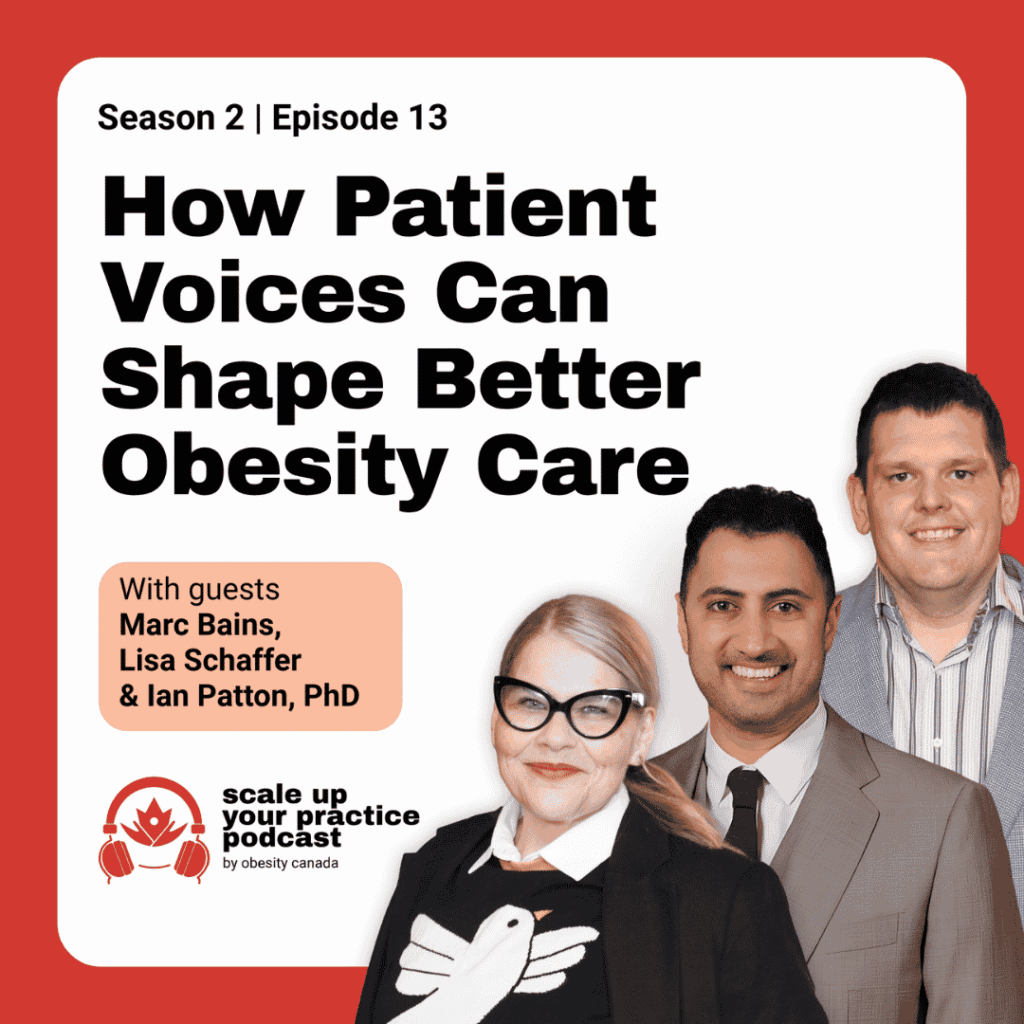


🎙️This episode was made possible through the partnership between Obesity Canada and Boehringer Ingelheim in support of the Global Patient Charter Framework initiative.
Lived experience belongs at the table where care is designed.
Marc Bains, Lisa Schaffer and Ian Patton join Roshan and Michelle to talk about how the patient voice and lived experience can shape better care, stronger advocacy and more person-centred health systems. The conversation explores what obesity care can learn from HeartLife’s Patient and Caregiver Charter, and how Obesity Canada is beginning work toward a Canadian Patient Charter for Obesity.
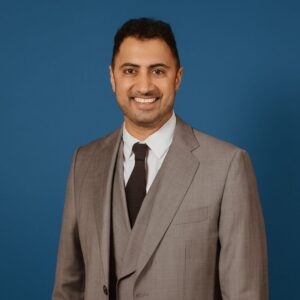
Marc Bains is a heart transplant recipient, heart failure survivor, and patient advocate. He co-leads the Canadian Heart Function Alliance (CHFA), a national research network of more than 200 scientists, clinicians, and patient partners working together to transform heart failure care across Canada.
Through HeartLife, Marc advances global patient advocacy and heart health access. He advises on national and international cardiovascular initiatives, is a frequent keynote speaker, and has been recognized with awards for his leadership and advocacy work.
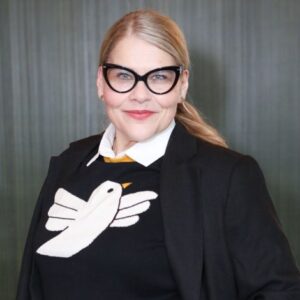
Lisa Schaffer is the Executive Director of Obesity Canada and a dedicated advocate for improving obesity care and reducing weight bias.
As a leader with lived experience, she works to amplify patient voices, drive policy change, and improve access to evidence-based care across Canada. Lisa is passionate about breaking down stigma and ensuring obesity is treated as a chronic disease with the same urgency and compassion as any other health condition.
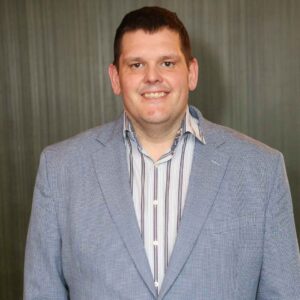
Ian Patton is the Director of Advocacy and Public Engagement at Obesity Canada, combining his academic expertise and lived experience to drive change in obesity care.
He holds a PhD in Kinesiology from Western University and completed a Postdoctoral Fellowship at the University of Toronto, with research focused on BMI, obesity, and childhood physical activity. As a bariatric surgery patient and national advocate, Ian works to eliminate weight bias and improve access to care for individuals living with obesity.
Support Scale Up Your Practice by:
Email us at scaleuppod@obesitycanada.ca
This episode script was developed using NotebookLM to synthesize complex source materials into a structured educational format. The tool was used to analyze the Canadian Obesity Education Competencies (COECs), the Obesity Canada Strategic Plan, and guest-specific research. Specific prompts were utilized to extract relevant learning objectives, map them to CanMEDS roles, and generate competency-based interview questions.
While NotebookLM assisted in drafting the narrative arc and educational framework, all content has been reviewed, fact-checked, and refined by the podcast hosts and Obesity Canada’s clinical experts. This ensures the script aligns with current Clinical Practice Guidelines and authentically represents the lived experience perspective.
00:00:00:03 – 00:00:24:02
Marc Bains
They’re the ones who understand how the symptoms affect them, how the side effects affect them, you know, their mental health, how it impacts their life goals. So not just their physical condition again, but what they want to achieve in their lives. And so we have to continue to make patients and caregivers equal parts of the team to develop care around them.
00:00:24:05 – 00:00:34:20
Dr. Roshan Abraham
Hello and welcome to Scale Up Your Practice, the podcast brought to you by Obesity Canada. I’m Doctor Roshan Abraham, family physician and associate professor at the University of Alberta.
00:00:34:20 – 00:00:38:14
Michelle McMillan
And I’m Michelle McMillan, a lived experience advocate with Obesity Canada.
00:00:38:16 – 00:01:05:26
Dr. Roshan Abraham
Healthcare professionals hear the phrase patient-centred care every day, but in practice, it can still mean very different things. Are patients being consulted? Are they being listened to? What changes when people living with chronic disease aren’t simply recipients of care, but help shape the future of healthcare itself? Today we’re exploring the power of the patient voice and why bringing lived experience alongside clinical expertise leads to better care for everyone.
00:01:05:28 – 00:01:38:11
Michelle McMillan
As someone living with obesity, I’ve had healthcare experiences that made me feel respected, and others that made it harder to trust the system. Over time, I’ve learned that my healthcare team brings clinical expertise, but I bring the expertise of living with obesity every single day. However, when those two perspectives come together, it’s like magic. The conversation changes, the relationship changes, and ultimately the care gets better.
00:01:38:13 – 00:01:42:04
Michelle McMillan
And that’s what today’s conversation is about.
00:01:42:07 – 00:02:06:08
Dr. Roshan Abraham
Before we begin, we’d like to acknowledge that today’s episode was made possible through the partnership between Obesity Canada and Boehringer Ingelheim in support of the Global Patient Charter Framework Initiative. Throughout today’s conversation, we’ll explore how meaningful patient leadership is helping shape better care for people living with chronic disease. As always, the views expressed are those of our guests and hosts.
00:02:06:11 – 00:02:35:22
Michelle McMillan
Today I’m very excited because we are joined with three leaders who are shaping healthcare through advocacy, leadership, and lived experience. Marc Bains is executive director of the HeartLife Foundation. Following his own experience living with heart failure, he helped lead the development of Canada’s Heart Failure Patient and Caregiver Charter. Lisa Schaffer is Executive Director of Obesity Canada.
00:02:35:26 – 00:03:02:25
Michelle McMillan
Lisa joined us earlier this season to talk about Obesity Canada’s strategic plan and its vision to transform how Canada sees, supports, and understands people living with obesity. And Ian Patton is Director of Advocacy and Public Engagement at Obesity Canada, where he works to improve access to care and influence policy through advocacy grounded in lived experience. Welcome, Marc, Ian, and Lisa.
00:03:02:28 – 00:03:04:02
Lisa Schaffer
Thank you.
00:03:04:05 – 00:03:05:11
Marc Bains
Great to be here.
00:03:05:13 – 00:03:25:15
Dr. Roshan Abraham
Marc, I’d love to start with your story. Before HeartLife became a national voice for patient advocacy, there was your own experience living with heart failure. Looking back, what made you realize the healthcare system wasn’t simply missing another patient’s story, it was missing an important source of expertise?
00:03:25:17 – 00:03:44:12
Marc Bains
Yeah, no, thanks, Roshan. And I often think back about the journey that was mine through heart failure early on and then through transplant. And when Jillian and I started HeartLife, we didn’t anticipate being in the position that we would be in, in this North American advocacy group, making a difference in the lives of people living with cardiovascular disease and connected conditions.
00:03:44:12 – 00:04:05:19
Marc Bains
And when I think about advocacy, before I became an advocate, I was a patient. And before I became a patient, I was a person with my own background, my own experiences. And I can really pinpoint, I think, one moment in time where we realized that the patient voice, particularly in cardiovascular health and heart failure at the time, was missing.
00:04:05:19 – 00:04:27:20
Marc Bains
It was the first day Jillian and I met. It was at a national roundtable where policymakers, health system leaders, societies, healthcare providers were all talking about heart failure in a coordinated way. There was probably about 30 people at that table. At the time there were 650,000 Canadians living with heart failure, but only two patient partners, myself and Jillian.
00:04:27:26 – 00:04:43:27
Marc Bains
And we looked at each other and we said, where are other people amplifying their voices? How are they being heard? How are they getting support? And at the time the answer was nowhere. And that moment in Montreal in the Sheraton set the stage for HeartLife and our advocacy work.
00:04:44:03 – 00:05:20:00
Michelle McMillan
I am so glad we’re talking about this today, because I often think that people assume lived experience is simply about telling your story. And yet telling the story is an important part, and it’s important to be able to tell your story and be heard in it. But the real opportunity is what happens after the story is told. How do we use those experiences to improve care, influence policy, redesign services, and ultimately make the system better for the next person?
00:05:20:00 – 00:05:39:02
Michelle McMillan
And I also think that when we do this, we make the system better for the people working in the system as well. So it’s better for everyone. So, Marc, when did you realize the goal wasn’t simply helping patients be heard, but helping patients influence the way their care is delivered?
00:05:39:04 – 00:05:59:06
Marc Bains
Yeah, that’s a great question. And I mean, I think you made a good point, Michelle. I mean, we have to make the system better for everyone, not just folks that have the most access to care, because generally that’s what happens. When Jillian and I started HeartLife, we were both diagnosed in metropolitan areas. We had three major heart centres within 20 minutes of our house.
00:05:59:08 – 00:06:31:23
Marc Bains
My cardiologist is currently the president of the Canadian Cardiovascular Society. My care was exceptional. We were the exception and not the rule. So we said, if we’re going to form a foundation and be able to support people in Canada, we have to understand what that journey looks like. So for a period of about, I would say a year and a half, we held multiple advisories, did multiple one-on-one interviews, worked with almost 200 patients and caregivers and healthcare providers from across the country to understand what led to that diagnosis phase.
00:06:32:00 – 00:06:54:29
Marc Bains
Moving into living with heart failure, those early stages that people felt both physically and emotionally, and then their journey all the way through advanced heart failure. And what we realized is that we don’t have this universal healthcare system in Canada. Where you live, your demographic, your ethnicity, the language you speak, your sex and gender, all those have an impact on the way care is delivered.
00:06:54:29 – 00:07:12:15
Marc Bains
And to really change that, we had to bring in that patient voice. It was about ensuring that these voices, not just ours, Jillian and mine, but others were elevated along the way. Because that’s the way change can really develop is when we come together, work together towards a common goal.
00:07:12:17 – 00:07:28:11
Dr. Roshan Abraham
Thank you so much for sharing that, Marc. Lisa, you’ve lived this from multiple perspectives, as a patient, an Obesity Canada board member, and now executive director. How has lived experience influenced the way you lead?
00:07:28:14 – 00:07:28:26
Lisa Schaffer
Oh.
00:07:29:00 – 00:07:46:19
Lisa Schaffer
I love that. And I don’t know if you guys saw me, but I’m writing furious notes down as Marc is speaking as well, because I just love all the language that you’re using. And there’s always so much resonance whenever Marc and I get to spend a little time together. But to answer your question, for me, lived experience provides context
00:07:46:19 – 00:08:05:21
Lisa Schaffer
that data alone really, really can’t bring to the table. And that’s the sweet spot for me. For me, I look at it and I go, research tells us what’s happening. Clinical expertise is so essential because it helps us understand how we might respond or approach or react to this moment, but lived experience tells us what happens when we actually receive that care.
00:08:05:23 – 00:08:29:23
Lisa Schaffer
And I know Michelle and I have had lots of conversations about this as well, and I love the language that they’ve used already today as well. We’re a person. We are people within this mix as well. So what does it look like when that care meets someone’s actual life? Not just the moment that I’m a patient in that room, but when I leave and I’m a daughter, or I’m a partner, or I’m a boss, or I’m all these different things, because we’re so much more dimensional than just being that patient voice.
00:08:29:23 – 00:08:43:29
Lisa Schaffer
So that’s really shaped how I lead. I don’t think my job as a leader is ever to walk in the room and have all the answers. And if anybody thought that was what I was gonna do, I’m really sorry, everybody. My job is to make sure the right voices are in the room and that we’re asking the right questions as well.
00:08:43:29 – 00:09:03:10
Lisa Schaffer
So that’s where I really lean on my lived experience. It makes me go, who’s going to be affected by this decision? Whose voice, to your point, Marc, and your example there. Who isn’t in the room today that we should be considering and make sure that we get that tangent or that tentacle also included in it? Because what’s missing is often really what’s important as well.
00:09:03:13 – 00:09:20:16
Lisa Schaffer
So I’ve been thinking a lot about the differences between patient-centred care and person-centred care. So I love that you’ve already kind of tripped into this space for me today because, as you said, I love that arc that you took us through. I’m an advocate, but I was a patient, but at it all in the foundation, I’m a person first and foremost.
00:09:20:17 – 00:09:48:21
Lisa Schaffer
So we’re patients for small moments in our lives in many ways. So I love this idea of really investing in a way that we can talk about things so that it goes beyond just the patient as well. We need to reach those caregivers. A patient is a role somebody occupies, but a person is who they are. So this person-centred care and bringing that lived experience voice just really reminds me of how important that is, because I also really think that lived experience belongs more upstream than maybe we’ve seen it in other care conditions.
00:09:48:21 – 00:10:09:21
Lisa Schaffer
I’m really proud of Obesity Canada and what I’ve seen in the obesity space overall, but I think we need to help set the priorities and really not just be a tick box at the end and a point of validation. We need to be co-creators in the space. So I’m less interested in leading with all of the answers and again making sure we’re asking the right questions of the right humans.
00:10:09:23 – 00:10:33:20
Michelle McMillan
Yeah, I like that. We’re people first, right? We are patients in a certain role at a certain time, right? But we are always people. We have always been people. So dealing with us as people is a good place to start. I love that. Now, Ian, I know you deal with a lot of people because of your advocacy role within Obesity Canada.
00:10:33:23 – 00:10:49:17
Michelle McMillan
In fact, that’s how you and I first met. You know that stories alone don’t change systems, right? So how do you, in your role, turn lived experience into meaningful system change?
00:10:49:20 – 00:11:06:02
Ian Patton
That’s the magic sauce, isn’t it? Right. It’s what we gotta figure out. But I think those personal stories and a lot of us who start in this space, that’s how we start. We start sharing, whether it’s like through a blog or, you know, we’re online as advocates, just sharing our experience. And that’s how a lot of us start.
00:11:06:02 – 00:11:33:06
Ian Patton
But the real change starts to happen when you can connect those stories to the bigger picture, or use them to highlight an issue that can be addressed in policy or in how the care is being delivered. And so from my experience, the biggest impact is when we can sync up that lived experience and stories with that clinical or scientific expertise, because at that point we can present meaningful solutions that work for the individual and the care provider.
00:11:33:06 – 00:11:55:11
Ian Patton
And the example that I use for this is something that we did a couple of years ago. We had a number of people reaching out and sharing their experiences and their stories about being denied care. And this had to do with hip and knee replacement surgeries. So we got in touch with people at the Canadian Orthopaedic Association.
00:11:55:11 – 00:12:18:19
Ian Patton
There was care providers there that got involved and took on this issue as an important topic. And in collaboration, we came up with guidelines and co-developed those guidelines that provide a clear patient pathway and clarity and communications should the patient not be able to be treated at that particular site or not be a candidate for surgery, so they’re not left in the dark anymore.
00:12:18:20 – 00:12:31:04
Ian Patton
And so it was a benefit to both the patients that were unclear of what was happening and being denied care, and also the providers who now have these guidelines to kind of show them how to go about this.
00:12:31:06 – 00:12:52:10
Dr. Roshan Abraham
Thank you all for sharing this. And what I’m hearing from everyone is that none of you stopped at telling your own story. You each used lived experience to influence policy, improve care, and change systems. So the question becomes, how do we make sure those voices become part of the way healthcare is designed?
00:12:52:13 – 00:13:23:20
Michelle McMillan
Yeah, and I think that’s a really good segue into our next topic. So, Marc, HeartLife didn’t simply encourage your patients to share their experiences. You created something that helped turn those experiences into action. It sounds like the charter became a way of putting the patient’s voice into practice by creating a shared understanding of what good care should look like from both sides, right? From the practitioner and as well as from the patient.
00:13:23:26 – 00:13:28:10
Michelle McMillan
Is that a fair way to describe it? I’m sure you have a better way to describe it.
00:13:28:11 – 00:13:47:29
Marc Bains
No, no, no, actually I don’t. I was just thinking to myself, that’s a wonderful way to describe it. That’s when I explain it in my presentations, that’s what I’m gonna do next. And you know, and when you really dig deep into what the patient and caregiver charter is for cardiovascular disease, it really resonates across different disease areas, right?
00:13:48:00 – 00:14:19:21
Marc Bains
I mean, it really is disease agnostic. Receipt of an accurate and timely diagnosis. Don’t we all deserve that in our healthcare journey, right? I mean, availability, support, mental health. And that’s something that’s often overlooked, not just in cardiovascular disease, but in chronic conditions globally. We don’t talk- we think about the physical aspects of the disease, but we don’t think about this mental health and emotional aspects that often, more often than not, are so impactful in the way our journey goes on our way care is delivered.
00:14:19:23 – 00:14:51:08
Marc Bains
I mean, access to educational tools and resources in the community that resonate with you, empathy and compassion from healthcare providers. And from our patient journey map, we saw these gaps in care. And so we said, okay, how do we then form this into support, guidance, education and resources for patients and caregivers in Canada. So what we did, we took that journey map, all our learnings from that, and effectively turned that into the charter, which then we could put these different aspects into practice.
00:14:51:10 – 00:15:18:11
Marc Bains
So when we think about an accurate and timely diagnosis of heart failure, fast forward into our framework, which is now a bill in the Senate, where we’re advocating for early diagnosis and screening. When we think about that education component, we were able to start developing resources. So we went from a support group online, Facebook, to developing resources, because that’s what we heard from our audience. From a mental health perspective,
00:15:18:18 – 00:15:40:06
Marc Bains
we’ve been able to expand our closed Facebook groups to support patients and caregivers across North America. We hold regular Zoom meetings Tuesdays and Wednesdays. We have webinars every single month. So what we’ve been able to do is learn from our journey map, put those pieces into the charter, and then put those into practice. And then even moving forward onto research and evaluation.
00:15:40:07 – 00:15:54:18
Marc Bains
So I also co-lead the Canadian Heart Function Alliance, which is the National Research Alliance for Heart Failure. And it’s the first time in the cardiovascular space where a person with lived experience is a co-scientific lead around a medical hall of famer, Jean Rouleau.
00:15:54:24 – 00:16:22:16
Michelle McMillan
Those are amazing achievements. Like I can see heads nodding here as we’re talking about this because we’re like, we need this in obesity care. Absolutely. I also love the fact that when you’re talking about the charter, it’s not just healthcare professionals, it’s not just patients and their caregivers, it’s a true collaboration between the parties. You know, it says, you know, you deserve to be seen.
00:16:22:20 – 00:16:51:12
Michelle McMillan
You deserve to be heard. You deserve evidence-based care. And, you know, as we were saying before, we’re all people, and that’s really, really what we want, right? So I’ve just had the honour of speaking to you for a few minutes, and you’ve already made my heart so full. I’d love to hear the feedback that you’re getting from your community, both patients and caregivers, about their reaction to the charter.
00:16:51:14 – 00:16:55:15
Michelle McMillan
What kind of feedback? You must be getting amazing feedback. What kind of feedback are you getting back?
00:16:55:17 – 00:17:12:08
Marc Bains
Yeah, you know, it’s thank you for sharing that. And we developed the charter a few years ago. And a lot of the times, I think as organizations and people on the ground as Lisa and Ian are as well, we sometimes forget or we don’t look back. We don’t take a step back and see what we’ve achieved and what’s in there.
00:17:12:08 – 00:17:38:13
Marc Bains
And so thinking about that, individuals deserve these things. You know, I honestly forgot that was in the charter. But when you think about it, that’s what the essence is: the opportunity to provide input into decisions regarding research, because that’s ultimately what’s going to impact us as individuals in the cardiovascular space and overall moving forward. But the reaction, to your question, what was the reaction from patients and caregivers?
00:17:38:15 – 00:18:01:15
Marc Bains
We were surprised. You know, this charter, I would suggest, put HeartLife on not only the Canadian map, but the global map. So first and foremost, it got picked up by Global Heart Hub and got endorsed by 33 organizations worldwide, translated into 17 languages. Because what we found was, again, it goes beyond borders, right?
00:18:01:17 – 00:18:26:10
Marc Bains
It was disease-specific, but disease agnostic, but also so what we’re feeling in Canada, they’re feeling in Germany and in Australia and across the world, because these are all things that for us living with chronic conditions makes sense. So patients and caregivers really took this as almost a companion piece, a breath of fresh air to say, yes, someone is listening.
00:18:26:10 – 00:18:50:13
Marc Bains
I’ve been heard, I’ve been seen. And now we can start to develop a plan forward where we can work together on these elements and improve someone’s quality of life. And patients and caregivers, we find, reference it regularly. So it wasn’t just a document that sat on the desk or on the screen. It was something that was implemented, something that was engaged with.
00:18:50:14 – 00:19:06:19
Marc Bains
It was this living document that put input into research, into priority setting, into strategy, into one-on-one meetings with their physician where they said, tell me about guideline directed medical therapy, because shouldn’t I be on that? Or do you have resources to support my mental health?
00:19:06:20 – 00:19:18:22
Dr. Roshan Abraham
That is impressive and inspiring, Marc. Thank you for sharing that. Lisa, when Obesity Canada looked at HeartLife’s work, what inspired you most?
00:19:18:25 – 00:19:43:23
Lisa Schaffer
Did you just hear Marc Bains describe it all? That’s what inspired us. Like we found, we honestly found kinship in this organization and in this work that was produced by HeartLife. And I mean that sincerely, Marc. And what I also really appreciate, and I just want to give an acknowledgement to, is HeartLife.
00:19:43:23 – 00:20:03:05
Lisa Schaffer
And Marc is very similar to how we probably try and approach things, and that is that we’re very fun to work with. We like sharing our work with each other, and we want to build off of something that’s already working. So, so much grace and openness for us to leverage so much of that work that was done so that we could get there that much quicker.
00:20:03:05 – 00:20:24:07
Lisa Schaffer
And that’s truly something that did inspire us and did motivate us. But it’s also that route that Marc was just talking to us about, that document seems to have taken something and it’s moved things that we believe into something a little bit more tangible and something that somebody could take in and use, almost like a bit of a shield or like an advocacy tool while they’re having conversations.
00:20:24:07 – 00:20:52:05
Lisa Schaffer
And to also echo what Marc was just saying, to remind ourselves that we deserve this level of care. And we’ve been talking a lot about that patient-centred and increasingly more person-centred care. When you hear those words that Marc just said as well: dignity, respect, access, equity, I think all of those really resonated for us when we were looking at this and what we were looking at and what we’re trying to solve for, I think also reflect those are all things that resonate deeply with Canadians.
00:20:52:08 – 00:21:12:02
Lisa Schaffer
I’ve said this often, and I will continue to say this. I really believe that our policies are our values on paper. They show us what we’ve decided matters and how to make it real. And I’m very proud of our Canadian values. That being said, I think we have a little disconnect today between our Canadian values and how we’re looking at obesity care.
00:21:12:02 – 00:21:36:22
Lisa Schaffer
And quite frankly, probably we could say chronic disease overall. I think Marc, you might agree with me on that. And there’s a real opportunity in front of us. So we have these strong Canadian values. We have this belief and this want to stay true to our universal health care, equity, and dignity. But for people living with obesity, we know there can still be this huge gap between those values and what care is looking like and what those experiences today really feel like.
00:21:36:23 – 00:21:59:03
Lisa Schaffer
So again, to reflect something that Marc was talking about, that patient journey moment, we’ve been investing a lot in something similar here at Obesity Canada, and hopefully we’ll have a future episode where we talk about this. But we are about to release a paper that’s about the state of obesity care in Canada. And what that shows us are the critical gaps today in care, but it also helps provide some solutions.
00:21:59:03 – 00:22:20:21
Lisa Schaffer
And one of those solutions is anchored in the charter as well, because we know to get solutions, we need to have traction. We need to have patients to understand their place in this moment, and again, that they deserve more than what they might have been seeing today, and that we can really find each other in a really busy and a really odd kind of healthcare system today and use that charter as an anchor point to go.
00:22:20:22 – 00:22:37:29
Lisa Schaffer
We see you, we understand you, and we want to support you. So that’s really what resonated for us and why I think we could see so much opportunity and synergy, to use a really good market-y buzzword, between our organizations and also what’s possible. That’s what was really important to us as well.
00:22:38:01 – 00:23:09:05
Dr. Roshan Abraham
So in many ways, a charter becomes more than just an advocacy tool. It becomes a shared commitment to better care. Marc, one thing both HeartLife and Obesity Canada have in common is that care extends far beyond one physician. It involves nurses, pharmacists, dietitians, psychologists, exercise professionals, and of course, the person living with the condition. How does the patient voice help align that entire team around what matters most?
00:23:09:07 – 00:23:29:08
Marc Bains
That’s a great question. And you’re right, Roshan. It is really a team-based approach. It has to be a team-based approach, I think, particularly in today’s healthcare system and with the complexity that we have with chronic conditions. I mean, a lot of the times when an individual is living with one chronic condition, they’re living with maybe another chronic condition.
00:23:29:08 – 00:23:55:12
Marc Bains
And the patient voice is central to that because it really brings, I think, that collective team and all those individuals that you talk to, including a mental health expert, back towards a shared purpose of improving the life or lives of those living with that condition. They’re the ones who understand how the symptoms affect them, how the side effects affect them, you know, their mental health, how it impacts their life goals.
00:23:55:12 – 00:24:14:29
Marc Bains
So not just their physical condition again, but what they want to achieve in their lives. Do they want to get back to work? Do they want to play with the grandkids? Do they want to start a family? All these different things that go beyond that traditional healthcare system, right? And so we have to continue to make patients and caregivers equal parts of the team, because that’s the way we need to develop care around them.
00:24:15:01 – 00:24:40:29
Marc Bains
It’s more about what’s the matter with you, right? To what matters to you. So it’s thinking about that person as a whole individual and making them central to their healthcare journey and part of that team. So it really is shared decision making that matters to the patient, the caregiver, and their families.
00:24:41:02 – 00:24:46:17
Lisa Schaffer
I will so be lifting that line, Marc Bains, you have no idea.
00:24:46:19 – 00:24:50:17
Michelle McMillan
I think we need it like on t-shirts. I love it.
00:24:50:20 – 00:24:52:28
Lisa Schaffer
Oh, that is powerful.
00:24:53:00 – 00:25:18:25
Ian Patton
It is. And it’s Marc, I don’t know if you remember, but the first time I heard you talk and talk about the patient charter was at a multi-disease state patient advocacy like global event. And I was blown away, not only by how impressive you are as a speaker and how passionate you are about the work, but about the patient charter and what you were presenting and what could be possible if you put this together.
00:25:18:29 – 00:25:36:11
Ian Patton
And so that really excited us about the work that you’re doing with HeartLife. And I think the realization that these principles aren’t unique to heart failure. There’s, you know, around the world, people living with all sorts of chronic diseases are asking for many of the same things. And I think that was a very inspiring moment for me personally.
00:25:36:11 – 00:25:48:12
Ian Patton
I leaned over to a colleague of mine from the United States and said, hey, we need to do something similar like this. And here we are now, moving forward with that project, which I’m really excited about.
00:25:48:15 – 00:26:16:29
Michelle McMillan
Yeah, I agree. I mean, just all the things you said stood out for me, you know, and I’ve been lucky enough, fingers crossed, not to have to deal with heart issues, but I do live with obesity, and everything that you’re saying aligns so much to what I’ve experienced, what I’d like to change in the system. You know, I just want to be seen and heard, and I want real evidence-based care based on being a real person.
00:26:17:00 – 00:26:29:08
Michelle McMillan
Right? Amazing. I leave it to Lisa and Ian and Roshan, who works in the system, to change things. But this is really exciting.
00:26:29:11 – 00:27:02:02
Dr. Roshan Abraham
Thank you all for this discussion. I hope our listeners are getting the most out of this episode, because this is really powerful stuff. We’ve talked about why the patient voice matters. We’ve talked about how organizations like HeartLife have embedded that thinking into their work. Let’s bring it back for a short time to the healthcare provider. If we genuinely recognize lived experience as expertise, what does the patient’s voice know that clinical evidence can’t tell us?
00:27:02:08 – 00:27:34:05
Michelle McMillan
Yeah. You know, to that point, I always say evidence is important. It tells us what treatments may work, but I have to live with the treatment, right? So my lived experience tells the team what it’s like to live with the treatment every day. And some treatments are easier to live with than others. And if you don’t have to live with it from day to day, you know, it doesn’t matter if there’s the best clinical research in the world that this is the treatment plan.
00:27:34:05 – 00:28:00:18
Michelle McMillan
If you can’t live your day and be, in my case, you know, a mom, a daughter, you know, a boss, all of those things, the treatment is something that I’m gonna have difficulty living with. So that involves me trusting my team, right? It just speaks to this being a collaboration where both sides need to contribute, because both sides have valuable things that we need to add to the discussion.
00:28:00:20 – 00:28:06:05
Dr. Roshan Abraham
So, Marc, I’d love to hear from you. Did you see this in heart failure in your work?
00:28:06:07 – 00:28:32:11
Marc Bains
Yeah, I mean, that’s a tough question. You know, it goes to that person centric approach again, understanding that whole person and really knowing what the clinical evidence can’t tell us. I lived with heart failure for ten years. I was 23 when I was diagnosed. So my needs, my wants were different in terms of someone who’s diagnosed at 45 or 65 or 80, right?
00:28:32:12 – 00:28:57:07
Marc Bains
So when we think about the clinical perspective, when you think about clinical research traditionally done on older age white men, right? Here’s what this medication is gonna do for you. Here’s how it’s gonna make you successful. I’m not an older age white guy, right? You know, don’t get me wrong, I love them. They run our banks and our countries, right?
00:28:57:08 – 00:29:26:14
Marc Bains
Sometimes well, sometimes not. But that’s not what heart failure is, right? From a heart failure perspective, that’s not what we see every day when we think about our members. Right? So we have to get a better understanding of what really people are living with. And, you know, you think about this therapy might improve a side effect or it might improve one of the symptoms of heart failure, but it might have a side effect that doesn’t allow me to play sports again.
00:29:26:21 – 00:29:43:26
Marc Bains
Right. And so it’s bringing those conversations up. And I was in a room and an individual said, Marc, it’s a “fine not fine fallacy.” And I never had heard that before. Where you go into a doctor’s room and he says, okay, you’re on guideline directed medical therapy. How are you doing? And I go in there and I say, I’m fine.
00:29:43:28 – 00:29:59:02
Marc Bains
He says, okay, great. We’ll see you in three months. Versus that individual knowing me, going into a room, saying, Marc, how are you doing? I say, I’m fine. He said, oh, are you still playing squash three times a week? Oh no, because I get short of breath going up my stairs. So I have an exercise in six months.
00:29:59:04 – 00:30:21:12
Marc Bains
Right? You don’t get that from clinical evidence. You get that from learning from that person with lived experience. So it’s having those conversations. So I mean, it’s turning that lived experience into evidence. And that’s why it’s so important to have that lived experience early on. It’s understanding the question that comes: does this matter to people in the community?
00:30:21:13 – 00:30:31:27
Marc Bains
Will it improve their quality of life? And we need to bring that lived experience way before it gets into any kind of clinical trials, because that’s what matters when it goes into practice.
00:30:32:00 – 00:30:49:29
Dr. Roshan Abraham
Ian, if Michelle has described what this looks like in the exam room, and Marc has already painted a picture of what it is to walk into a room with a specialist, let’s say, and speak about heart failure in that way, what does it look like when an organization starts thinking this way?
00:30:50:02 – 00:31:15:21
Ian Patton
Yeah, I think that’s another great question. And I think organizations like in this context, I think of us as Obesity Canada, I think we are kind of like the connectors between those two groups, right? Like we have both of those groups within our membership or, you know, working with us. And I think organizations like ours have a responsibility to create the conditions for those conversations to happen consistently.
00:31:15:21 – 00:31:42:06
Ian Patton
And that’s where advocacy, education, and tools like the patient charter can come in. They create a shared understanding of what people living with obesity should be able to expect from their care and what healthcare teams should aspire to deliver. That’s how you move from individual moments of excellence to systems that deliver better care more consistently. And advocacy isn’t simply about changing policy, it’s changing expectations.
00:31:42:07 – 00:31:52:10
Ian Patton
And when patients and clinicians and health systems share the same understanding of what good care looks like, that’s where that change starts to stick.
00:31:52:13 – 00:32:13:12
Dr. Roshan Abraham
All right. So we’re gonna do a bit of a round table here. Let’s make this really practical. For the healthcare professionals listening today, what is one small thing they could do differently in clinic tomorrow with the first patient they see? Michelle, let’s start with you.
00:32:13:14 – 00:32:40:02
Michelle McMillan
I think I’m gonna go back to the beginning of our conversation here with they’re a person. Yes, they’re a person dealing with a chronic condition, absolutely, but they’re a person first. So step into your role as clinical expert in whatever clinical expertise you have. And that is your role, and you have skills that I as a patient will never have.
00:32:40:02 – 00:33:04:18
Michelle McMillan
But also when you’re having the conversation, appreciate that I have a perspective and I have knowledge, because you probably haven’t lived with this chronic condition that you don’t. And so this really is a team effort. So I would say go in, I’m a person, but we’re both on the same team, and lead your thoughts and then continue your conversation with your patient.
00:33:04:20 – 00:33:30:10
Marc Bains
Yeah, I mean, hard to that’s a great answer. You know, I think about going back to the patient charter, and I think about empathy and compassion from our healthcare providers. And, you know, I think it’s taking the time to ask another question. And that’s “what matters most to you today?”. And then genuinely listening to the answer, and then taking the rest of the appointment with that lens, because then you’re really listening to the patient and the whole person.
00:33:30:17 – 00:33:49:25
Lisa Schaffer
I love that. And I think my answer is very in line with everybody’s. I would invite people to stay curious, or that healthcare provider to just stay in the curious space for a minute before getting to that certainty space. I think that’s something that I would really love to see. And then absolutely, Marc, I’m gonna just double down on it.
00:33:49:26 – 00:34:20:24
Lisa Schaffer
Move from what’s the matter with you to what matters to you. That is so powerful and I think so incredibly salient. And if I’m gonna do a bonus round for you, Roshan, because I know you like when I go off script and do a little bonus round, I would say also that idea of maybe opening up the door to a conversation about what has care looked like to date for you, or is there anything you want me to know about your experience to date, so that I don’t step into that same puddle with you or something along those lines?
00:34:20:24 – 00:34:26:04
Lisa Schaffer
And I know that’s easy to say and harder to do, but that’s the sensibility that I think I would look for.
00:34:26:04 – 00:34:29:07
Dr. Roshan Abraham
I like that. Ian, what about you?
00:34:29:09 – 00:34:34:26
Ian Patton
Well, Lisa’s bonus round actually just stole my answer.
00:34:34:28 – 00:35:06:16
Ian Patton
You know, I gave a presentation this past week at a patient conference, and it was all about how to talk to your healthcare professional about weight and obesity. And one of my main things that I took away from there was to tell the patients to start the conversation with a clean slate, because we have often been, you know, treated not great, or we have that our guard up, our defensiveness there, because of the stigmatizing, you know, and weight bias stuff that’s happened in the past.
00:35:06:16 – 00:35:34:09
Ian Patton
So we come into those appointments already guarded up. But on the other side of the equation, from the healthcare professionals, I would say recognize that that’s a reality. And, you know, you might not be the one that started that or created that situation for that patient, but recognize that it’s a reality. And to Lisa’s point, you know, be curious, ask questions about their previous experience, set the tone that this is a safe space.
00:35:34:12 – 00:36:01:07
Michelle McMillan
Yeah, that’s great. I love that too. To create a safe space is important, because people won’t be honest with you unless it’s a safe space. So we spent today’s conversation talking about how the patient’s voice can improve care. One conversation, one clinic, one healthcare system at a time. And it’s encouraging that it isn’t happening in isolation. Marc has already talked about this happening around the world.
00:36:01:07 – 00:36:25:18
Michelle McMillan
Organizations are beginning to recognize that people living with chronic diseases are asking for many of the same things to repeat, to be seen, to be heard, to be respected, and of course, to receive evidence-informed care. Ian, that’s leading to some exciting work on the global stage, which I have heard rumours of in the background. So I’m gonna lean to you to tell us what’s coming next.
00:36:25:23 – 00:36:53:21
Ian Patton
Yeah, we’ve started to develop this foundational global patient obesity charter, and it’s been really exciting work, and I’m excited to see where it goes in the coming months. But one of the things that’s been most inspiring throughout the work was realizing how universal the experiences were of the people that were involved. So regardless of geography, people living with obesity were asking for many of the same things.
00:36:53:21 – 00:37:34:11
Ian Patton
And that’s kind of, you know, what led us through that process of developing that foundational charter. And we introduced that charter at the International Congress on Obesity just last month. And that foundational global charter is a starting point for countries, including Canada, to build something that reflects their own healthcare systems. And over the coming months, we are going to work alongside people living with obesity, healthcare professionals, researchers, and partners across the country to develop a Canadian patient charter that reflects our healthcare system, our values, and the voices of Canadians.
00:37:34:13 – 00:37:51:07
Dr. Roshan Abraham
That is really exciting. Really truly exciting. So thank you for sharing that with us today as well as with our listeners. So the global framework gives us some common principles, but Canada’s work is really about listening to Canadians and building something together.
00:37:51:09 – 00:38:17:26
Lisa Schaffer
Absolutely. And we’re always in such an interesting and unique position here at Obesity Canada. With our clinical practice guidelines, they’ve been adapted and adopted in eight other countries. That gives us a little bit, in my mind, some global responsibility as well. So this past spring, when we were having our big summit, we took the opportunity to have a session where we were able to consult with many other countries to form what became this foundational patient charter.
00:38:17:27 – 00:38:36:28
Lisa Schaffer
We now socialized that with 11 additional countries, and we’ll be moving that forward, as Ian was talking about. And our real hope is that each area or each geography can then personalize it for themselves. And within our approach, we definitely are investing in Canada. And I’m super excited about this. So we know that we need this in Canada.
00:38:36:28 – 00:38:56:19
Lisa Schaffer
When I looked at HeartLife or when I look at Diabetes Canada, there’s a lot of amazing charter work that’s been done that has really helped solidify the language that we’re using around different disease states. And what we’re really seeing is the immediate need. So that’s what we’re going to be doing going forward. And we also know that a charter isn’t meant to speak on behalf of us.
00:38:56:20 – 00:39:16:02
Lisa Schaffer
It needs to be built with us so that it does truly reflect. If we all can’t go be in the room, although what an amazing room that would be, you know, if we all can’t be there, how can we be represented and know that our through line is there? So as you said it perfectly there, Roshan, you know, the Global Foundational Patient Charter gives us a starting point.
00:39:16:03 – 00:39:34:18
Lisa Schaffer
It gives us that set of principles we know has resonated across countries and across chronic diseases. But we also know that Canada has this really fun little own healthcare system where we like to bounce between being a federal responsibility and provincial delivery and all those kinds of things. So we’re gonna strap in and we’re gonna help figure that out for everybody.
00:39:34:18 – 00:39:53:02
Lisa Schaffer
Because when we know better, we do better. I believe that to be true in Canada. So we need to have the right conversations. So in order to get to that place, what we need to do first is start listening. That is our core job now, is to start listening. And that’s a reflection of what Marc was sharing with that, like, journey mapping of what it is really like today.
00:39:53:03 – 00:40:10:24
Lisa Schaffer
We have our benchmark report that has got some quantifiable data. Now we want to go out and get that other qualitative pieces that we can tell those stories that anchor and say, yes, we’ve identified these gaps genuinely do exist. How does that gap actually feel, and what would it take to kind of close the space in that gap?
00:40:10:24 – 00:40:31:05
Lisa Schaffer
And maybe the charter can be a bit of a bridge for that moment, so that people feel like they have a way to kind of ask for more or demand better and really get that kind of groundswell. Because we know unless we’re starting to change this narrative also on a societal level, let alone in the clinical environment, especially in obesity spaces, we’re going to be banging our heads against the wall.
00:40:31:05 – 00:40:53:06
Lisa Schaffer
So we see this as a big awareness opportunity for people to truly understand what obesity is, so we can see people for who they are and really make Canada an amazing and vibrant country. And that’s really at the root of everything that we’re working on. We want to help synthesize what we know good looks like, because we have this amazing research and empirical evidence and these amazing authors that help us write our guidelines.
00:40:53:08 – 00:41:09:27
Lisa Schaffer
Now let’s make that real. Let’s find the heroes out there that will help us with implementation so that it feels right in as many rooms as possible as well. And that’s what I’m excited about. I think we have a real opportunity to change things on a generational perspective and really show the world how you can get this right.
00:41:09:27 – 00:41:11:29
Lisa Schaffer
When we’re talking about obesity.
00:41:12:02 – 00:41:28:28
Dr. Roshan Abraham
I couldn’t agree more. And you mentioned having been in a room with lots of different consultants. We have somebody here that has been on this journey. Marc, as you listen to where obesity care is heading, what little tidbits or advice would you offer?
00:41:28:29 – 00:41:57:18
Marc Bains
And so, I mean, I’ll reinforce both what Ian and Lisa said. I’ll take it a step further, and it goes back to one of my earliest points when we started HeartLife, is to make sure that you are inclusive of people in Canada overall. Geography, culture, income, ethnicity, sex, gender, all those experiences matter and are important to how you evolve this.
00:41:57:21 – 00:42:18:22
Marc Bains
You’re also already, you know, like you said, you have these quantifiable, this quantifiable data. We took the reverse approach. We took our qualitative data, and then we worked with a group like the Institute of Health Economics to quantify it. Right. And so it’s taking these different paths and learning about what’s out there. So also, you know, as you go throughout your work, you don’t have to reinvent the wheel.
00:42:18:22 – 00:42:44:08
Marc Bains
You mentioned Diabetes Canada. You mentioned HeartLife. There’s amazing things coming out of Canada that have this global impact. And I’m so encouraged to see that Obesity Canada is working towards that as well. And then always think, what’s next? What else can we do with this? Right? And when we decided on the charter, we didn’t want it to sit on our website or, again, on the side of a desk.
00:42:44:12 – 00:43:09:29
Marc Bains
We said, let’s put an economic analysis on it and build a framework for change. So the opportunities are out there, and move forward on them. And then as you craft your messages, know your audience. So whether you’re talking to patients, caregivers, or policymakers, or healthcare providers, develop those messages accordingly. And, you know, all that with the work you’re already doing. I mean, I’m just I can’t wait to see what comes next from Obesity Canada.
00:43:10:00 – 00:43:13:19
Marc Bains
I’m really encouraged by it and look forward to doing more work together, hopefully.
00:43:13:21 – 00:43:35:22
Lisa Schaffer
I hope you keep answering my calls, because sincerely, Marc was someone that I called and I was like, this is what I’m doing. Tell us if we’ve lost the plot or anything that you could tell us to help avoid pitfalls in the future. And that’s also what this is gonna take. Exactly. It’s a collective push. And, you know, I remember the first time I ever met Marc, and this was years ago, before I was in Obesity Canada,
00:43:35:23 – 00:43:56:14
Lisa Schaffer
even. We bumped into each other through each other- the world has been trying to get us to be friends for a long time is basically what we’ve decided. But you educated me about heart failure in a matter of like 15 minutes. And I know Ian and Michelle and I, we try and do that with people to try and get them to understand obesity in a really, you know, we have very small moments to help people understand obesity.
00:43:56:14 – 00:44:10:02
Lisa Schaffer
But sincerely, meeting Marc for the first time stuck with me. And so when I started doing this work and people kept saying to me, hey, have you heard, have you met Marc Bains from HeartLife? I was like, is that that same guy? And sure enough, it was, because water finds its own level. So that’s the other part.
00:44:10:02 – 00:44:30:19
Lisa Schaffer
We have to do this together, and especially in Canada. I think we have such an opportunity to bring a lot of chronic disease states together and help the government and our policies see that there’s a better way forward that, to your point earlier, Marc, might be in some places agnostic of disease, but might just be a healthier approach for us as a nation as well.
00:44:30:21 – 00:44:54:07
Dr. Roshan Abraham
This is all incredible discussion. I do think, though, it would be great for me, and I rarely get a chance to do this, to actually ask my co-host about their thoughts. I mean, we’ve gotten your thoughts throughout, but hearing all this, I mean, it comes back to people. If there’s one thing, Michelle, you hope every healthcare provider listening takes away from today’s conversation, what would it be?
00:44:54:10 – 00:45:26:09
Michelle McMillan
I think the one thing, it’s pretty simple. We are all people, and we bring our own levels of expertise to every interaction. So the clinical expertise, the person I’m working with is bringing that. I’m bringing the lived experience piece. And together, if we collaborate together, we listen to each other. I’m listening to you. You’re listening to me.
00:45:26:11 – 00:45:45:23
Michelle McMillan
We are collaborating. You can’t stop us. We are both going to go away from that interaction knowing that, A, we are better people because we listened and learned. But, B, our day is better because you’ve made someone’s life better.
00:45:45:26 – 00:46:06:14
Dr. Roshan Abraham
Beautiful. That’s a beautiful place to end. Thank you, Marc, Lisa, and Ian for joining Michelle and myself today. And thank you to everyone listening. If today’s conversation resonated with you, we’d encourage you to share it with a colleague. Changing healthcare starts with conversations like this one.
00:46:06:16 – 00:46:25:12
Michelle McMillan
You’ll find links to the HeartLife Patient Charter and the Global Foundational Patient Charter in our show notes. We’ll also keep you updated as Obesity Canada begins developing the Canadian Patient Charter. Stay tuned. I’m sure there will be future podcasts.
00:46:25:19 – 00:46:34:08
Dr. Roshan Abraham
As a reminder, new episodes of Scale Up Your Practice drop every second Thursday, so make sure you are subscribed so you never miss an episode.
00:46:34:12 – 00:46:49:28
Michelle McMillan
If you found value in today’s episode, and as I always say, of course you found value in today’s episode, please take a moment to rate and review us on your favourite podcast platform. It helps other clinicians find this information and join the movement.
00:46:50:05 – 00:47:02:17
Dr. Roshan Abraham
And until next time, stay curious, stay kind, and keep scaling up your practice.
00:47:02:19 – 00:47:33:16
Dr. Roshan Abraham
This podcast is intended for informational and educational purposes only and does not constitute medical advice. The content shared in this podcast should never be used as a substitute for professional medical advice, diagnosis, or treatment. Always seek the guidance of a qualified healthcare professional with any questions you may have regarding your health or a medical condition. The information and treatment discussed in this podcast are based on Canadian guidelines and approved practices as of the time of recording.
00:47:33:23 – 00:47:55:19
Dr. Roshan Abraham
If you are listening from outside of Canada, please consult your local healthcare professional to ensure compliance with your region’s medical standards, guidelines, and recommendations. The creators of this podcast disclaim all liability for any decisions or actions taken based on the content discussed. Listening to this podcast does not establish a professional or patient client relationship.
Be the first to know about new education and resources for healthcare professionals from Obesity Canada.